

Outfit formulas for women are the little closet shortcuts that save you on the mornings when everything technically fits, but nothing feels like an outfit yet.
Quick answer: The best outfit formulas for women are simple, repeatable combinations, like a tee with straight jeans and flats, a blazer with a tee and light jeans, a tank with wide leg trousers, or a trench with a tee and jeans.
Start with a base, add the piece that balances it, choose the shoe, then finish with one detail. Suddenly the tee, jeans, flats, blazer, trouser, or skirt has a plan. Tiny miracle, no closet spiral required.
That is why these outfit formulas help in real life: they give your regular clothes a rhythm, so you can repeat what works and still change the color, layer, or shoe for the day in front of you.
Use them for errands, casual work, brunch, travel, dinners, school runs, weekends, and all the small plans that still deserve a cute outfit.
Recommended Outfit Formulas For Women Finds
Shop a few useful basics below, then head straight to the outfit formulas for women.


Recommended blogs to read:
- casual outfit ideas
- everyday outfit ideas for women
- old money outfits on a real budget
- fall jeans outfit ideas
- fall leggings outfit ideas
- wide leg jeans outfit ideas
Which 25 Outfit Formulas for Women Make Everyday Style Feel Easy?
Use these as practical formulas, not strict rules. Swap the color, layer, or shoe for your weather and plans.
1. Tee + Straight Jeans + Flats
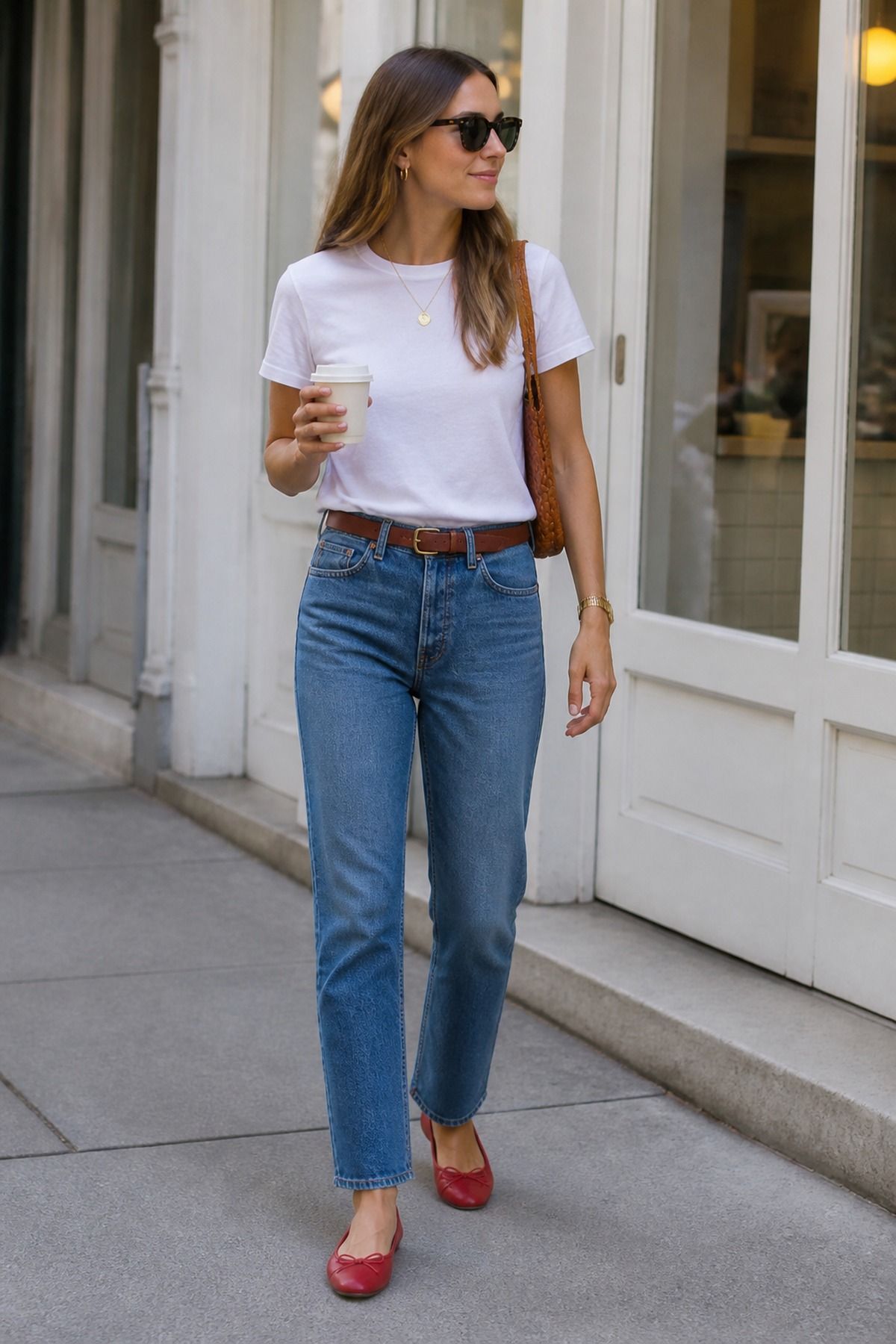


This is the outfit to use when you want quiet, reliable polish. The tee has to be substantial, the jeans should fall cleanly, and the flats need enough shape to look intentional rather than like an afterthought.
If it feels too plain, do not add five accessories. Add one good belt, a watch, or a structured bag and leave the rest simple.
2. Button Down + Relaxed Denim


A button down gives relaxed denim enough structure for errands, casual workdays, or lunch. The shirt can be crisp poplin, soft oxford, or linen, but it should not collapse completely at the collar.
The denim should look easy without looking sloppy. A half tuck, rolled cuff, or cleaner shoe can make the difference between relaxed and unfinished.
3. Blazer + Tee + Light Jeans
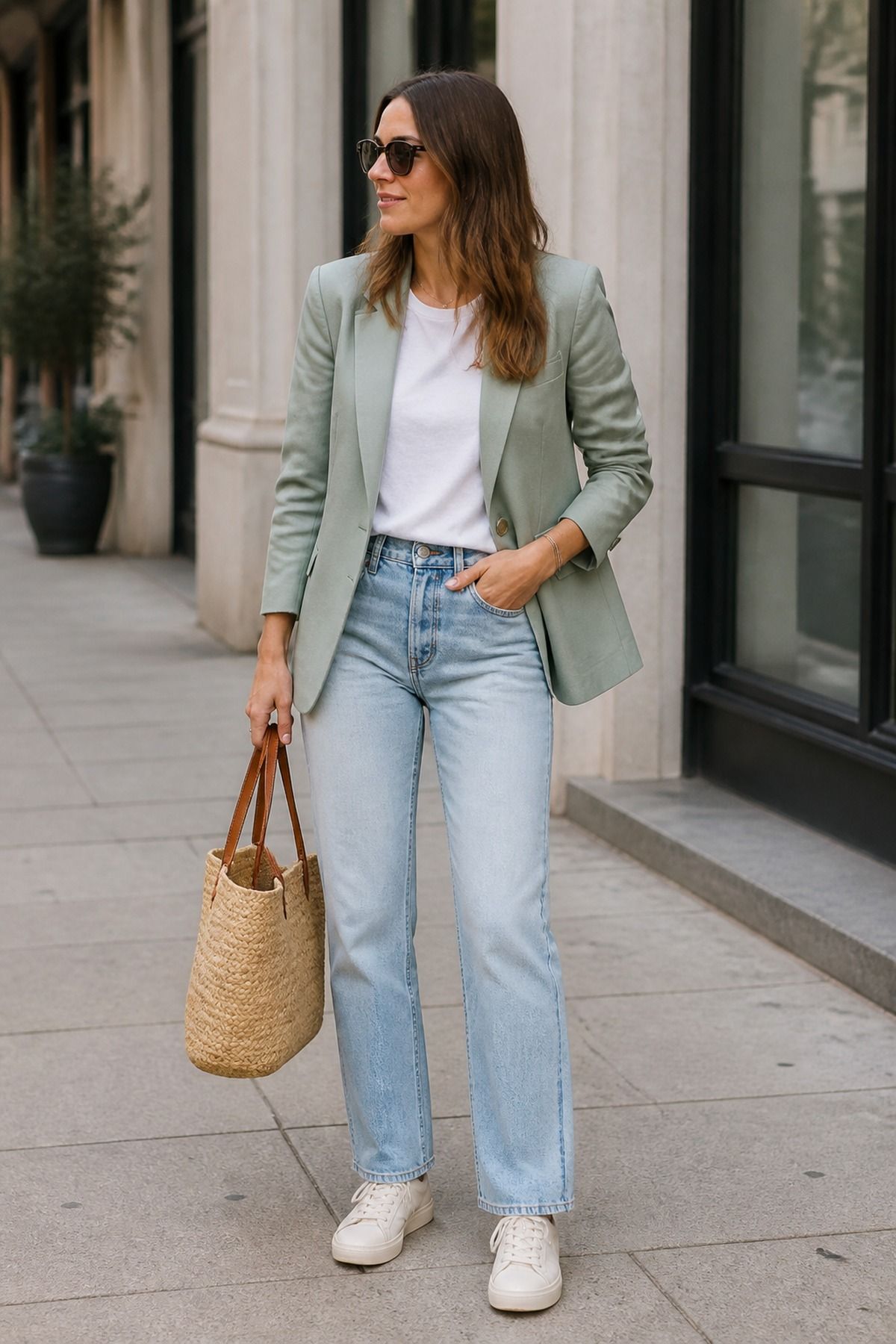


This pairing works when the blazer feels relaxed, not corporate. Light jeans keep the outfit casual, while the blazer gives the tee a cleaner frame.
Choose a tee neckline that sits well under the lapel. If the tee is thin or stretched, the blazer will not save the outfit.
4. Tank + Wide Leg Trousers
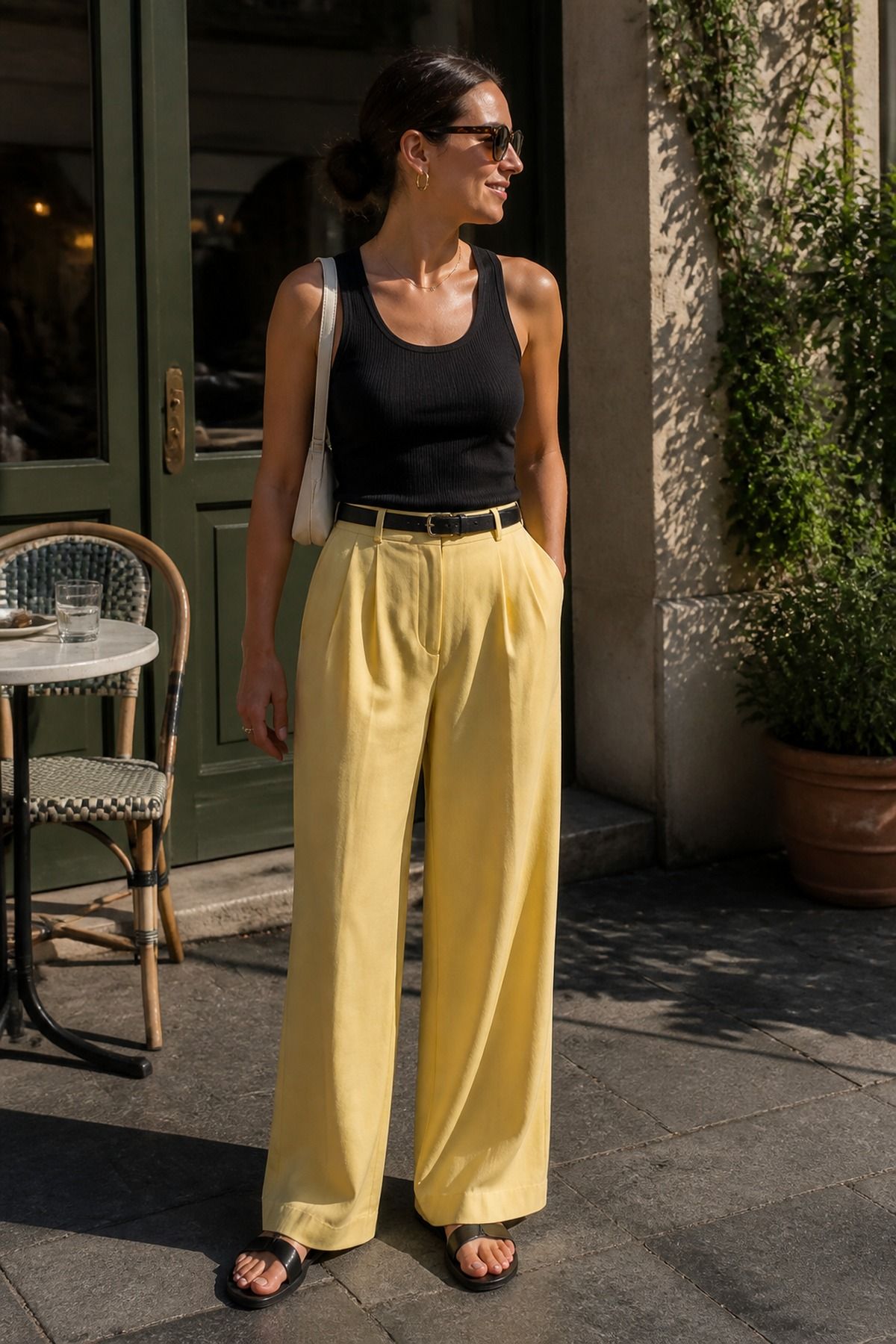


A tank and wide-leg trouser outfit looks best when the top is fitted enough to balance the volume below. The trouser fabric should drape instead of standing stiffly away from the body.
Flat sandals make it warm and casual; loafers make it sharper. A small earring or clean belt is usually enough.
5. Cardigan + Denim + Ballet Flats
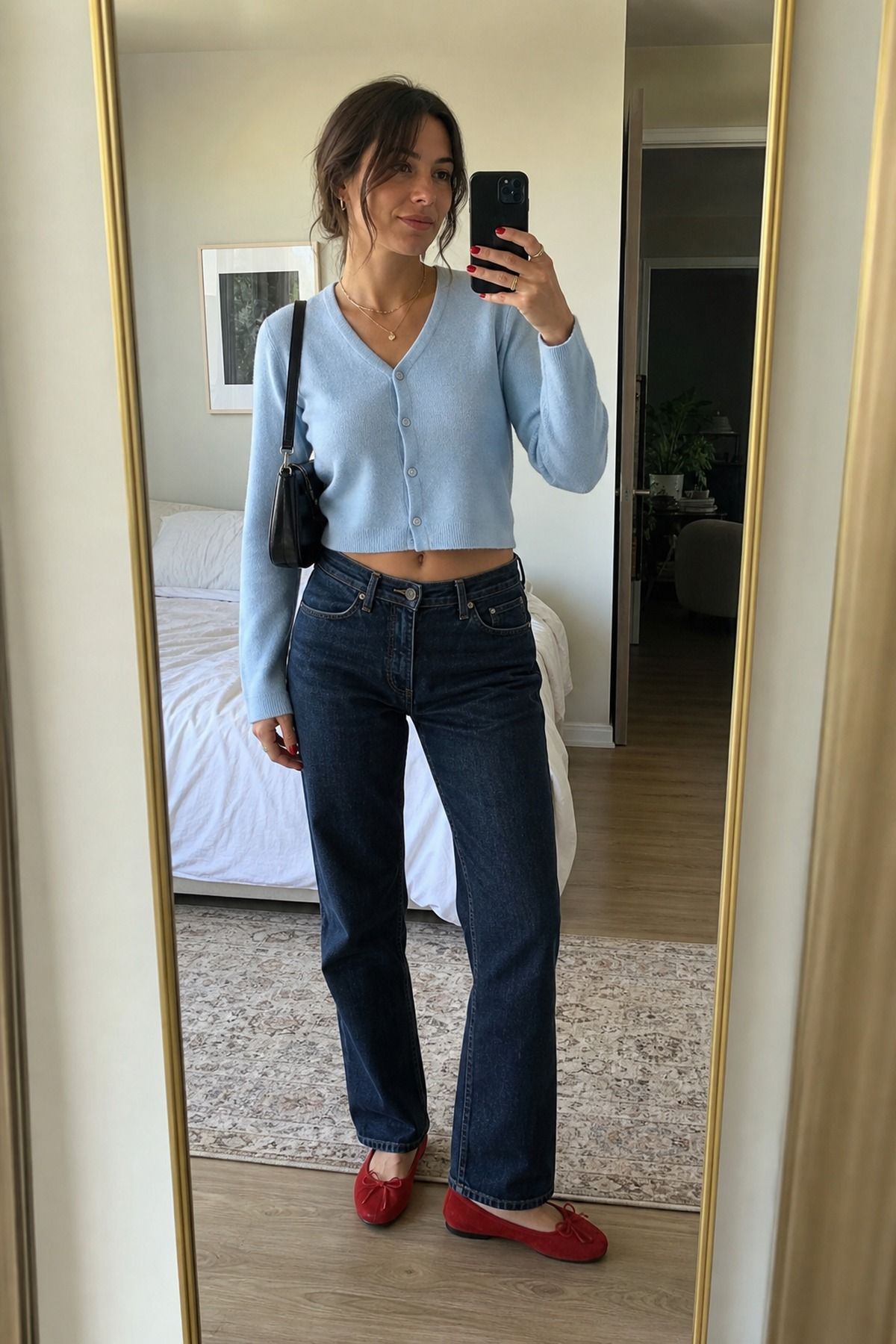

A cardigan can read sweet, classic, or modern depending on the denim wash and shoe. Dark denim and black flats feel polished, while pale denim and mesh or suede flats feel softer.
Button the cardigan as a top if the knit has enough structure. If it gaps or stretches, wear it open over a tank instead.
6. Sweater + Trousers + Sneakers
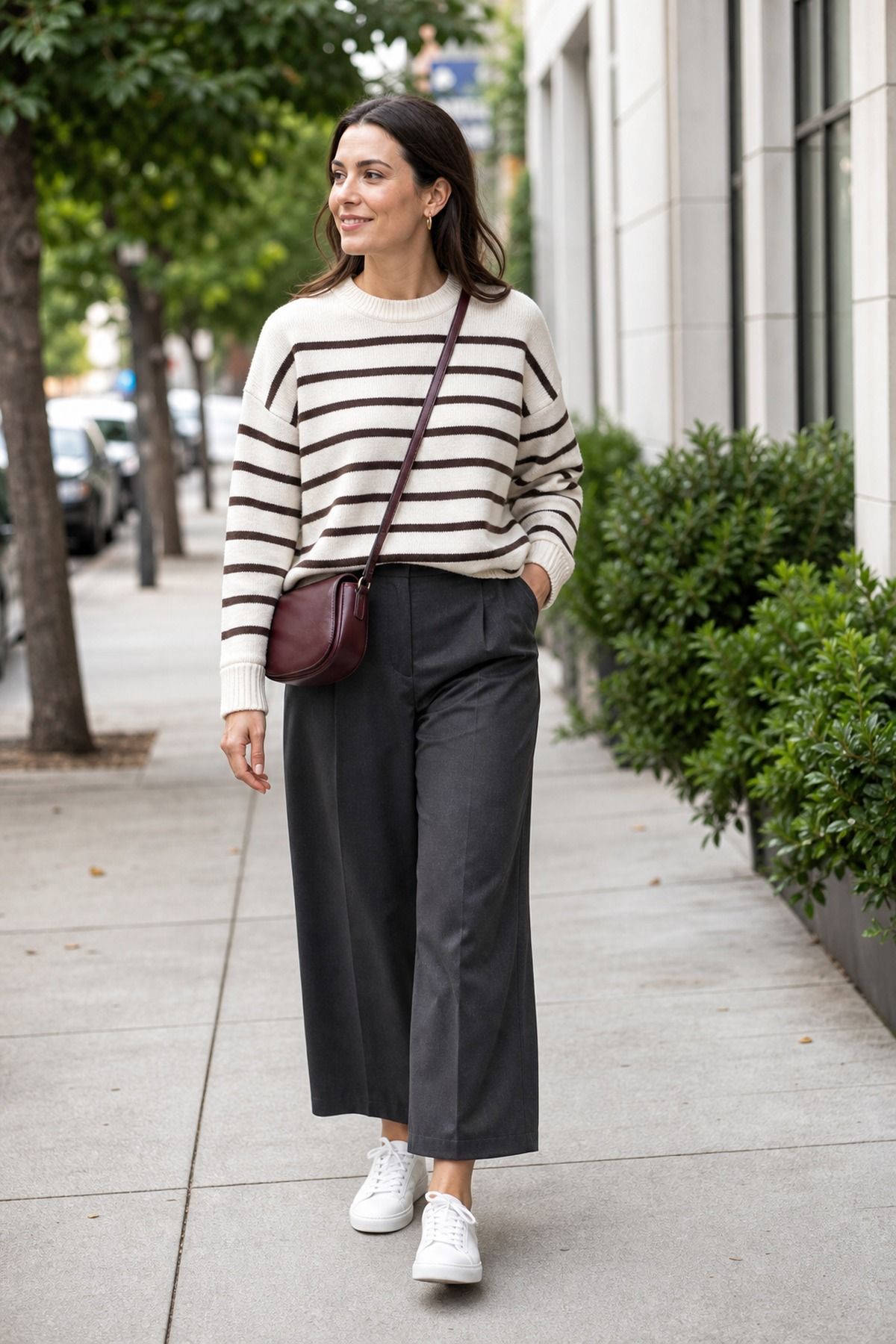

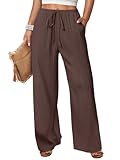
This is useful for days that need comfort without looking like loungewear. The sweater should have a clean neckline, and the trousers should look like real pants, not joggers.
Keep the sneakers minimal or retro rather than athletic. The shoe decides whether the outfit feels styled or just convenient.
7. Midi Skirt + Tee + Denim Jacket


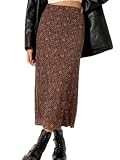

A midi skirt becomes much easier for daytime with a tee and denim jacket. The jacket keeps the skirt from feeling too dressed up, while the tee relaxes the whole look.
Pay attention to where the jacket ends. Cropped or high-hip lengths usually work better than a long denim jacket that covers the skirt shape.
8. Slip Skirt + Sweatshirt
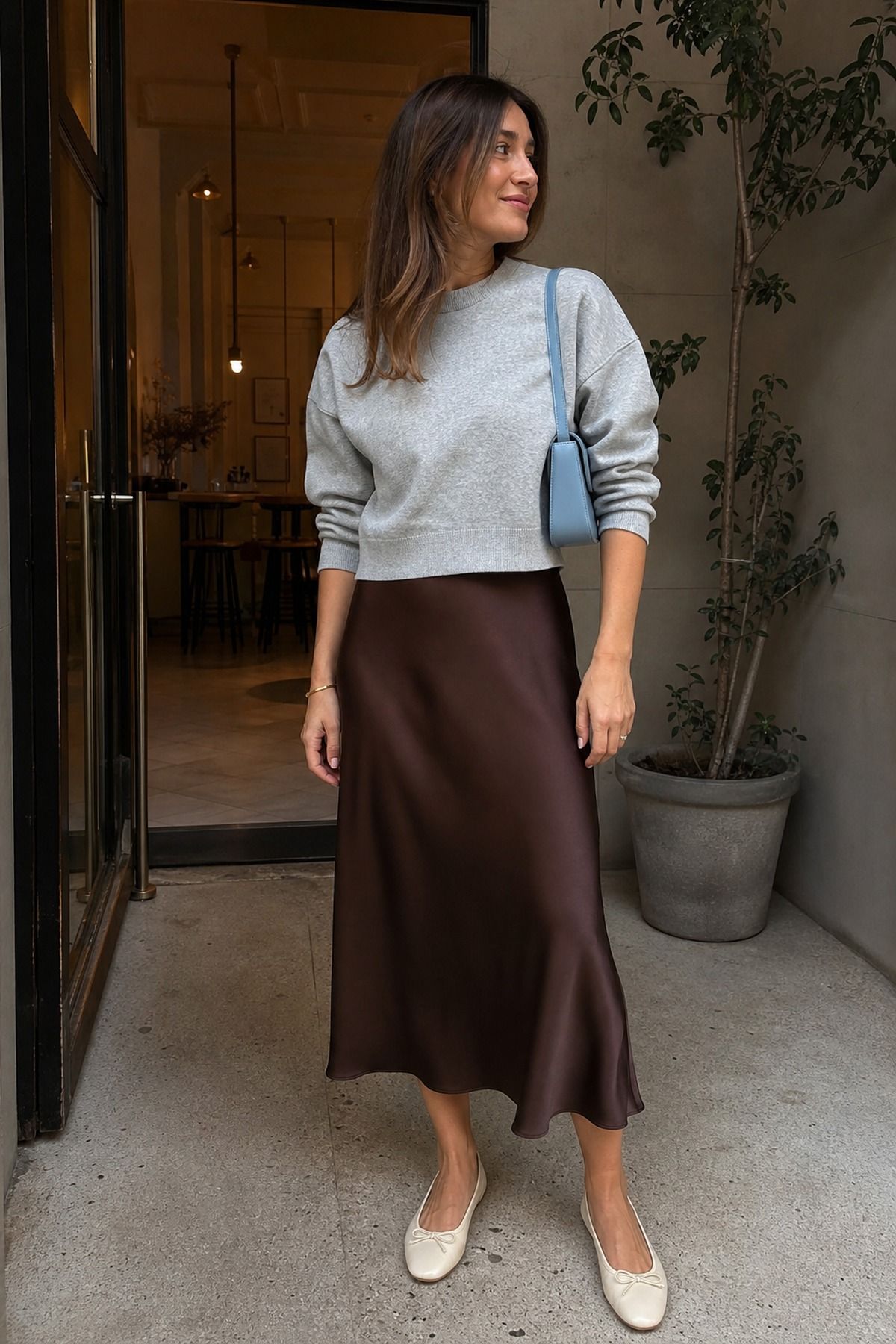

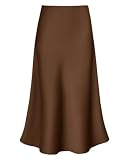

A slip skirt and sweatshirt can look elegant or messy depending on proportion. The sweatshirt should not be so long that it hides the skirt’s waist and turns the outfit shapeless.
Try a slightly cropped sweatshirt, a front tuck, or pushed sleeves. Sneakers keep it casual; ballet flats make it softer.
9. Dress + Sneakers + Shoulder Sweater


This is a good formula for casual days when a dress alone feels too bare. The sweater adds color and texture without committing to a full layer.
The sneakers should match the dress mood. A minimal leather pair keeps it clean, while retro sneakers make it feel more relaxed and weekend-ready.
10. Leggings + Oversized Shirt


Leggings need a top with coverage and structure if they are leaving the house. An oversized shirt works because it gives the outfit a real shape above the fitted base.
Add tall socks, clean sneakers, or a simple cap if the outfit leans sporty. Add loafers and a trench if you want it sharper.
11. Trench + Tee + Jeans


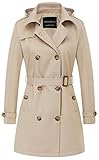

A trench makes a basic tee and jeans feel like an outfit before you add anything else. The coat gives movement, and the base stays simple enough for everyday plans.
The denim hem should work with the shoe. Cropped jeans, straight jeans, and relaxed jeans all work, but puddled hems can make the outfit look careless.
12. Graphic Tee + Blazer
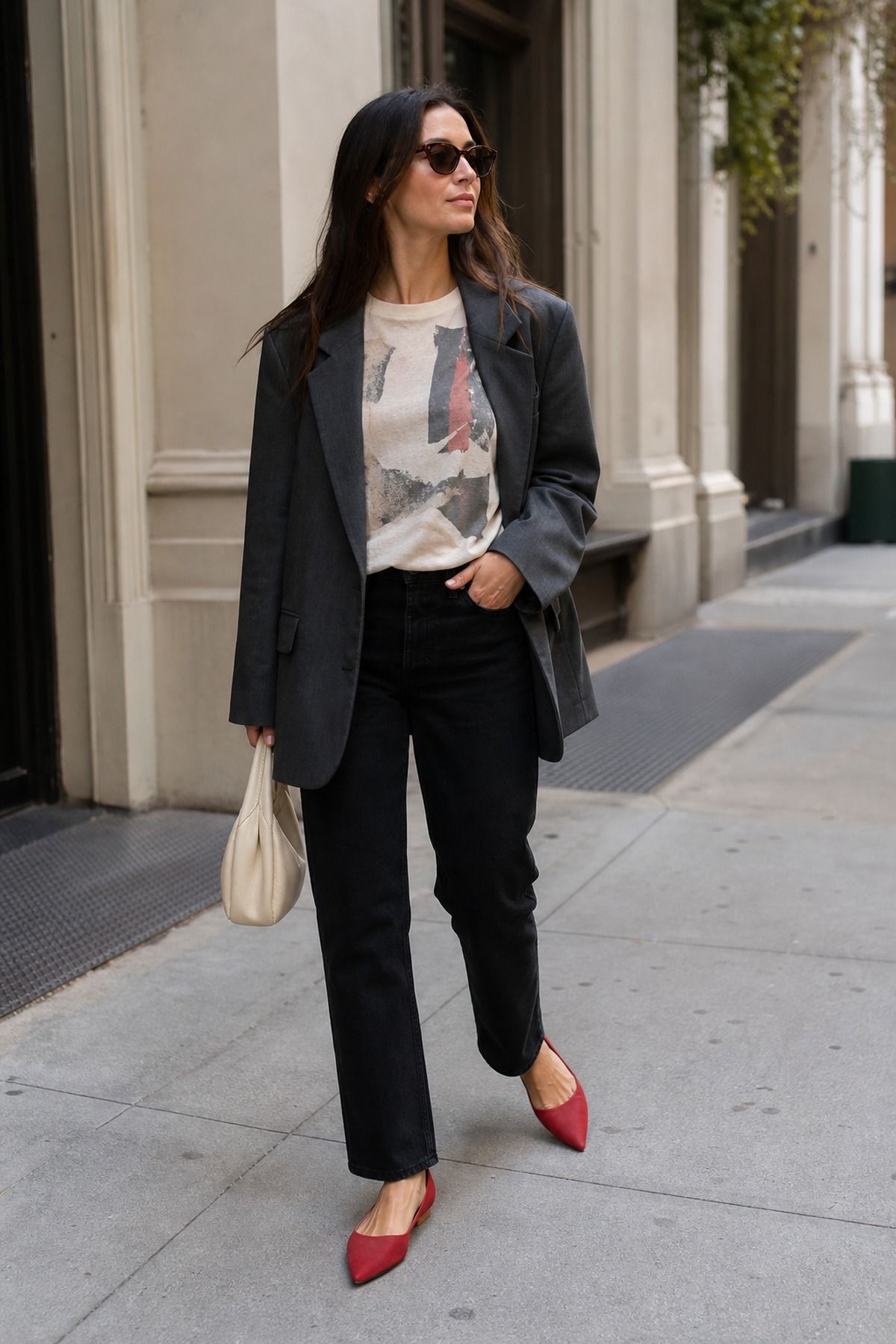


A graphic tee under a blazer should feel deliberate, not like two unrelated pieces. Softer graphics, vintage-style prints, or tonal colors usually sit better under tailoring.
Use clean denim or simple trousers so the outfit does not get too loud. The blazer already gives the tee a grown-up edge.
13. Polo Knit + Relaxed Jeans


A knit polo is a good answer when a tee feels too plain but a blouse feels too dressy. The collar gives shape without making the outfit formal.
Relaxed jeans keep it modern. If the polo is boxy, choose straighter denim; if the polo is fitted, wider jeans can work beautifully.
14. Denim Shirt + Black Trousers
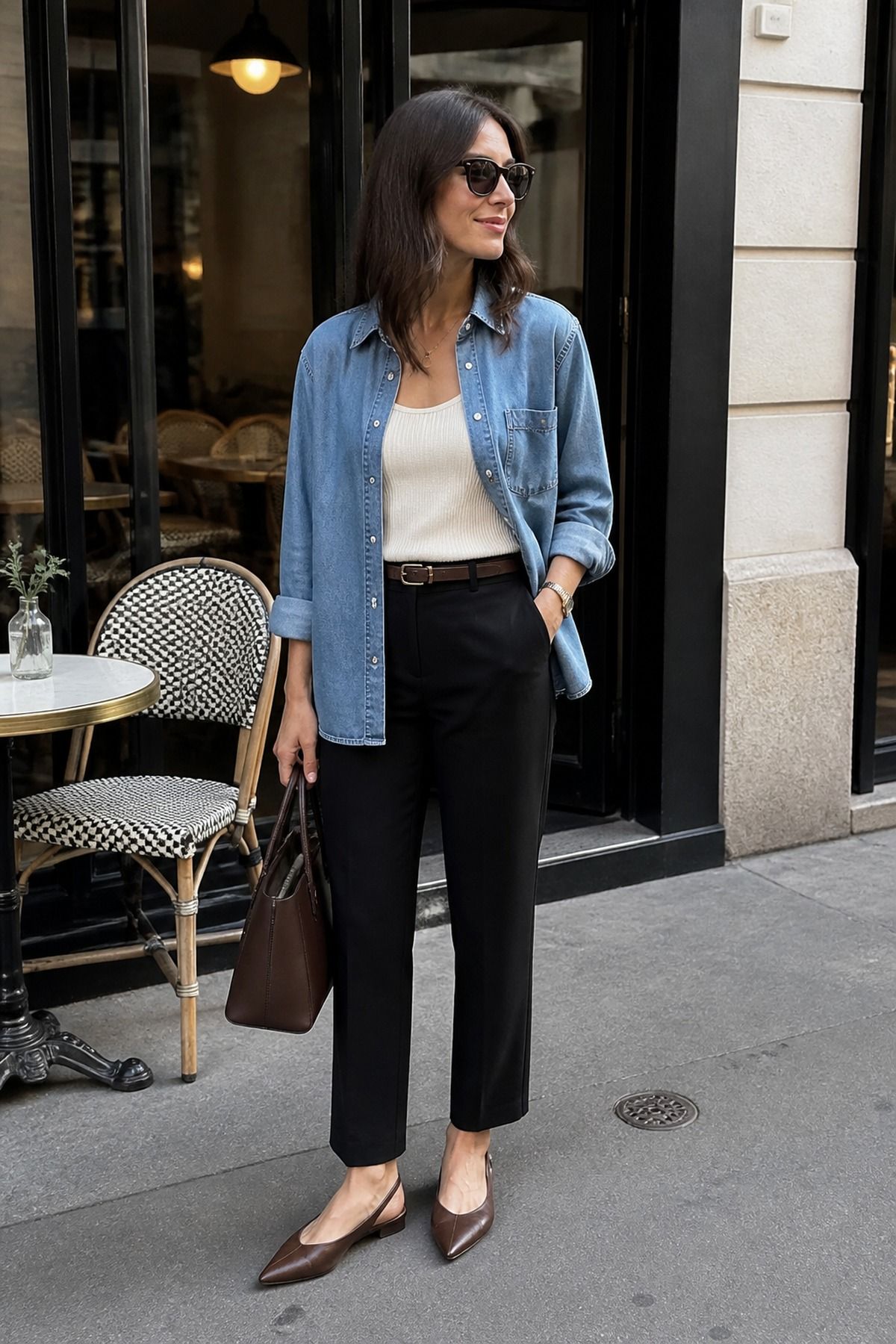


A denim shirt takes black trousers out of office territory. It gives them texture and ease while keeping the outfit more polished than jeans.
Leave the shirt open over a tank for a casual day, or tuck it cleanly if you need more shape. Brown accessories can soften the contrast.
15. Tank Dress + Utility Jacket
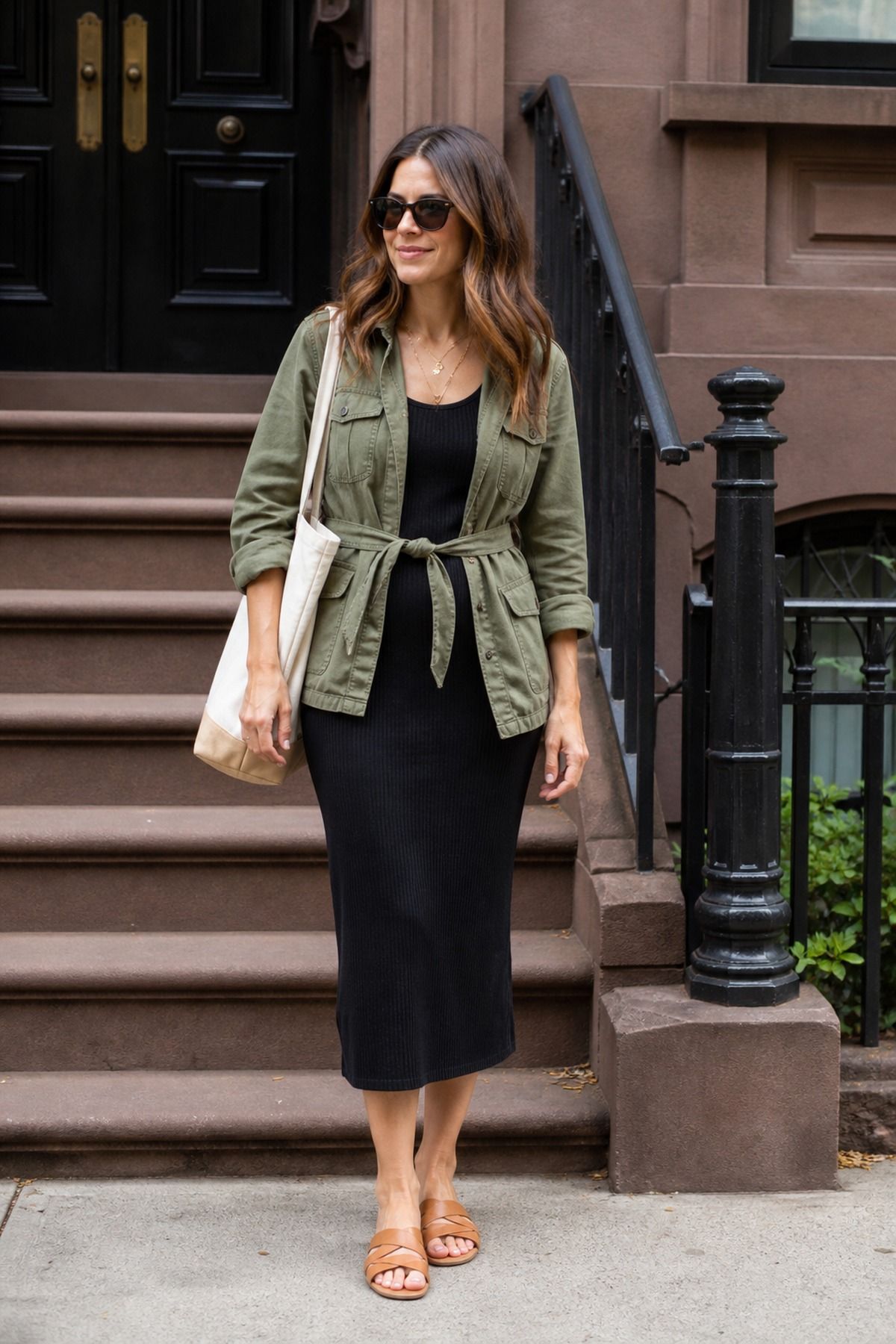


A tank dress is simple, but a utility jacket gives it pockets, shape, and a casual daytime mood. This is especially helpful when the dress feels too body-skimming on its own.
Choose a jacket that cinches or ends cleanly. A bulky utility jacket can overwhelm a soft dress fast.
16. White Jeans + Chambray
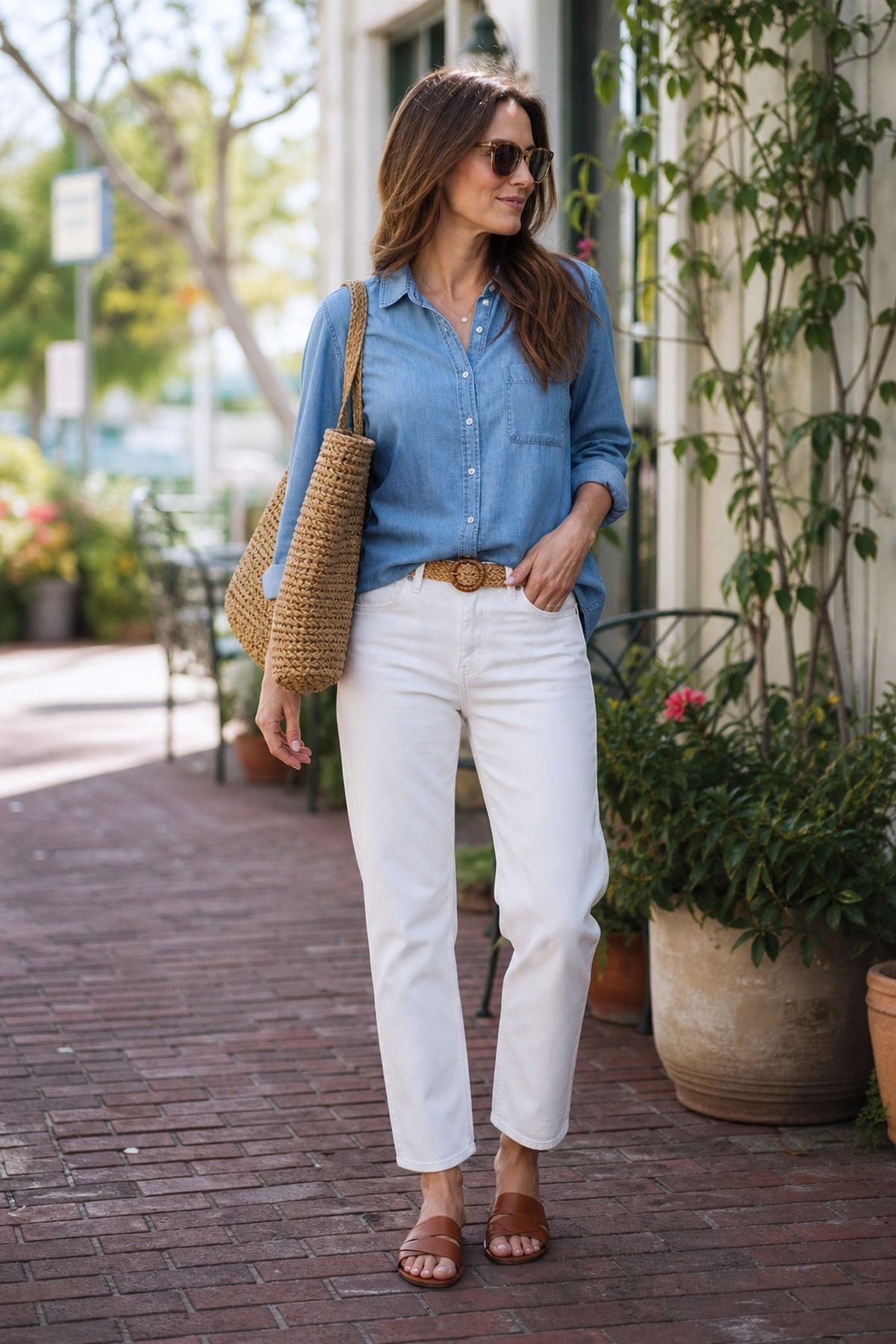


Chambray makes white jeans feel relaxed instead of precious. The combination is bright, casual, and easy to repeat through spring and summer.
Use tan, brown, or woven accessories if the outfit feels too crisp. They warm up the blue-and-white palette without adding clutter.
17. Hoodie + Long Coat
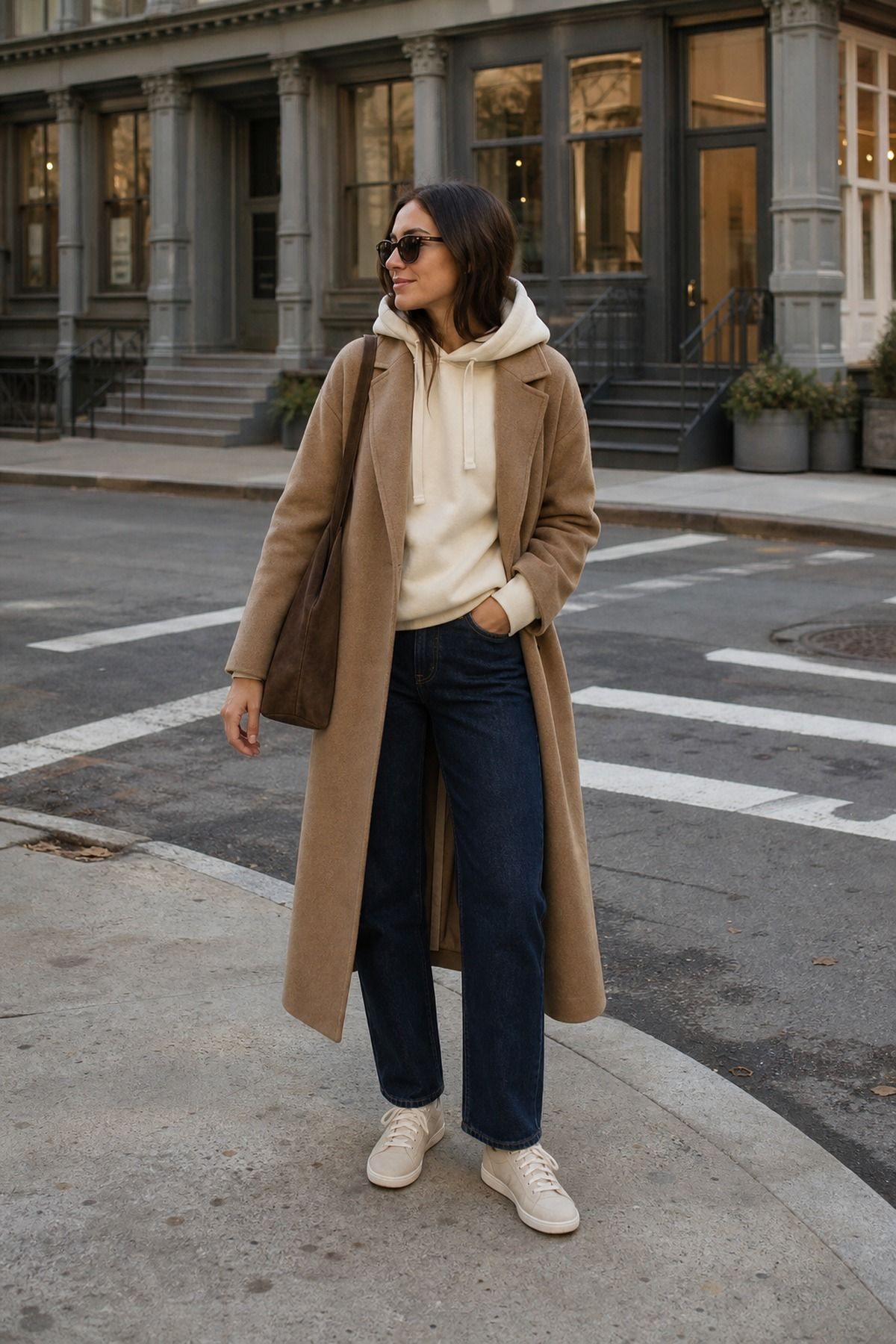


A hoodie under a long coat works when the coat has enough structure and the hoodie is not too bulky. The contrast is casual, but it should still look clean.
Keep the bottom half simple: straight jeans, leggings, or relaxed trousers. Too much volume everywhere makes the outfit lose its line.
18. Matching Set + Minimal Sneakers
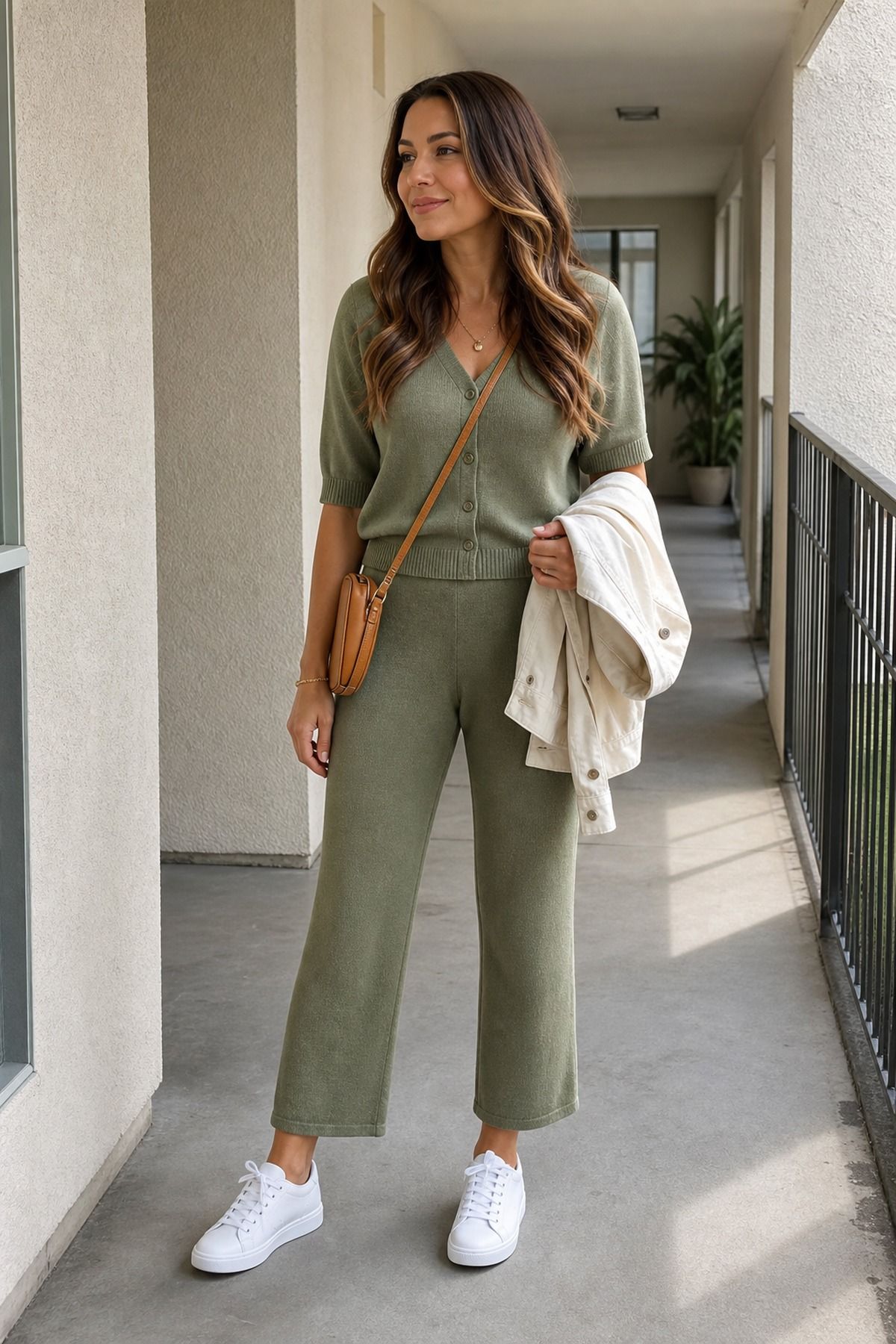


A matching set is easiest when you want to look coordinated with almost no effort. Minimal sneakers keep it from looking too lounge-heavy.
Add a denim jacket, trench, or structured tote if you are wearing it outside the house. One sharper piece makes the set feel intentional.
19. Maxi Skirt + Tank


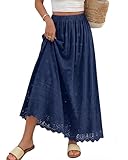

A maxi skirt needs a top that shows the waist or sits close to the body. Otherwise, the outfit can feel like too much fabric.
Flat sandals keep it easy, while slim sneakers make it better for walking. A smaller bag usually works better than an oversized tote here.
20. Vest Top + Trousers
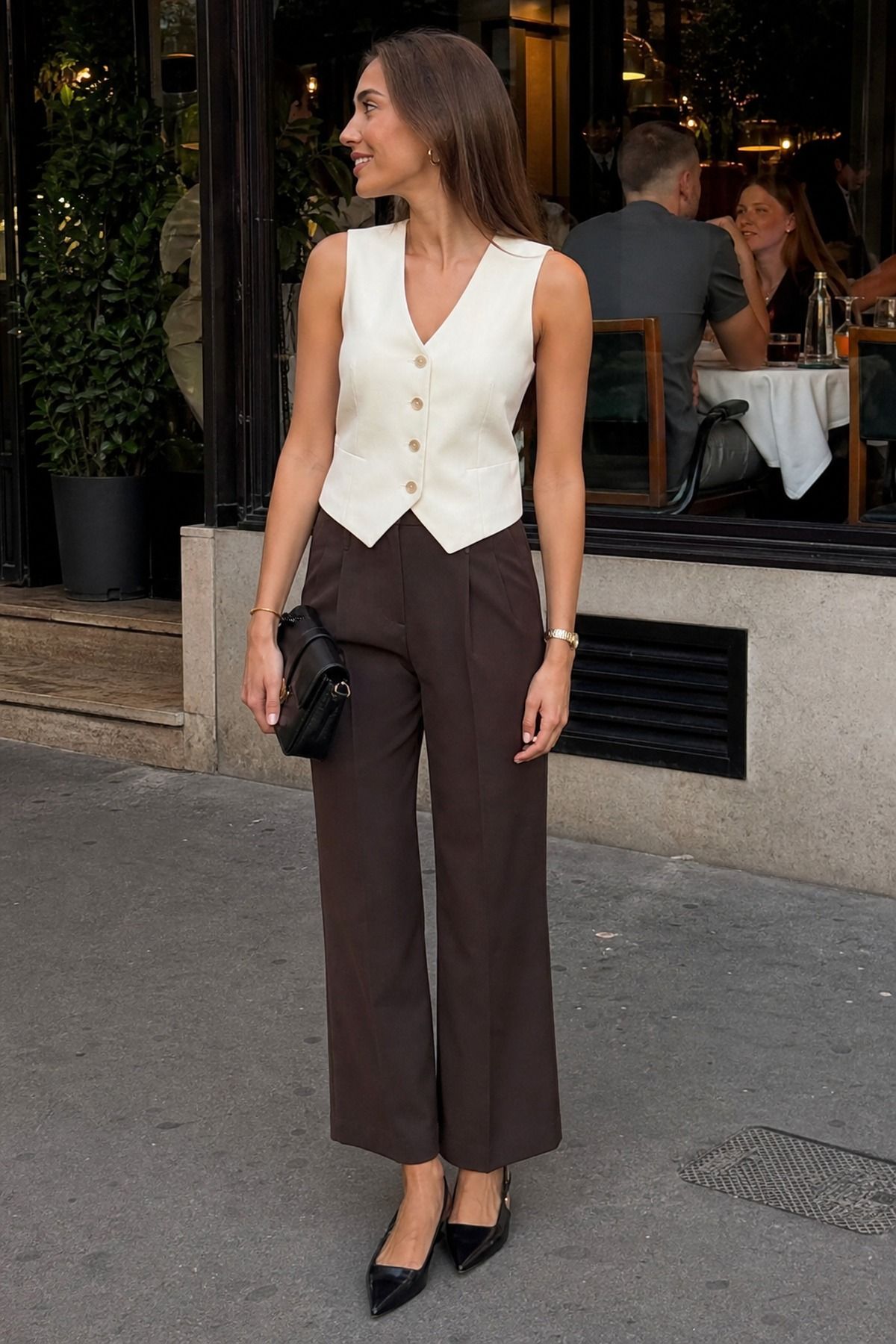
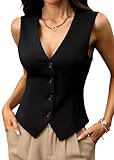

A vest top and trousers can look polished without a blazer. The vest should fit smoothly through the buttons and meet the trouser waistband cleanly.
This is a good warm-weather formula for dinner, vacation, or casual work settings. Keep jewelry simple so the tailoring stays the focus.
21. Black Jeans + Cream Sweater


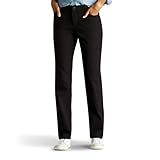
Black jeans and a cream sweater are simple, but the contrast looks sharp when the fabrics are clean. The sweater should not be pilled or stretched out.
Loafers, ballet flats, or ankle boots all work. Choose the shoe based on how polished the day needs to be.
22. Jumpsuit + Belt
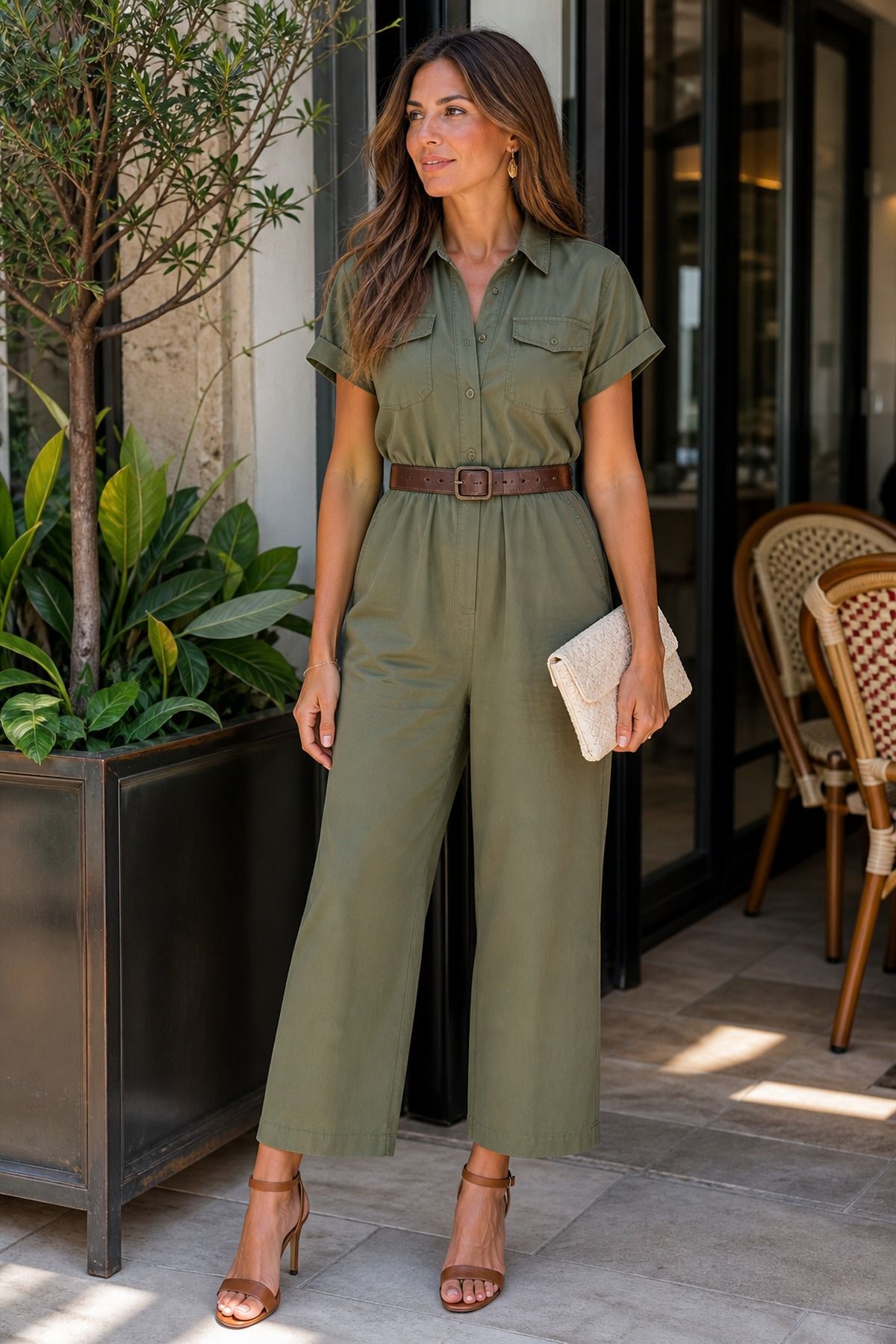


A jumpsuit becomes much more wearable when the waist is defined. A belt breaks up the one-piece shape and gives the outfit a finished center.
Flat sandals make it casual; heeled sandals make it dinner-ready. Check the length with the shoes before deciding.
23. Shorts + Button Down
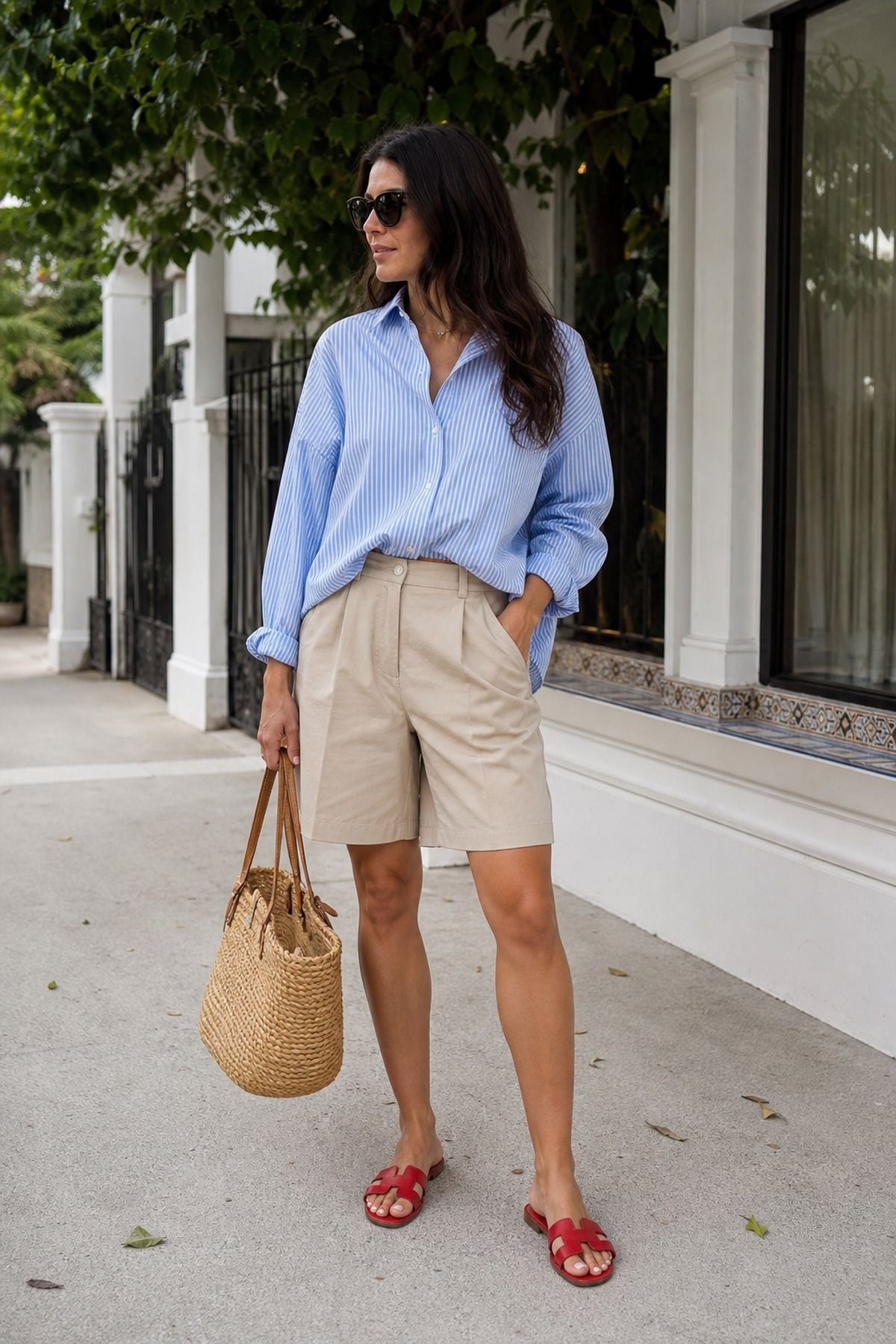


Tailored shorts and a button down can feel polished in warm weather without looking stiff. The shirt should be breathable, and the shorts should have a real waistband.
This works best with a slightly longer short. Add flat sandals, loafers, or clean sneakers depending on the setting.
24. Sweater + Mini Skirt + Boots


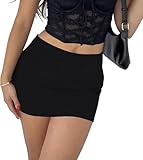
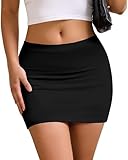
A sweater and mini skirt feels more wearable when the boot has some weight. The boot grounds the shorter hem and makes the outfit feel less delicate.
Keep the sweater length controlled. If it covers too much of the skirt, the proportions can look accidental.
25. Monochrome Cream Outfit


Cream-on-cream looks best when the textures are different. Try denim with knit, linen with cotton, or a smooth trouser with a ribbed top.
One darker accessory can keep the outfit from looking flat. A brown belt, black sandal, or chocolate bag gives the soft palette a little structure.
Key Takeaways
- outfit formulas for women should solve real outfit problems, not just look good in a saved photo.
- The strongest casual outfits use fit, fabric, proportion, shoes, and one finishing detail.
- Product keywords should come from the actual shoppable item in the H3 section.
- Repeatable formulas make the closet feel bigger without needing constant new purchases.
- A calmer wardrobe starts with pieces that can be styled at least three ways.
Outfit Formulas for Women FAQs
What is a simple way to start with outfit formulas for women?
Start with the outfit formula you repeat most, then improve one piece in that formula. Better denim, cleaner shoes, a stronger layer, or a more useful bag usually changes more than buying random extras.
How many pieces do I need for outfit formulas for women?
You do not need a fixed number. You need enough repeatable tops, bottoms, shoes, and layers to cover your real week without laundry panic or duplicate almost-right pieces.
How do I make casual outfits look more polished?
Focus on fit, fabric, clean shoes, simple color repetition, and one structured piece. A casual outfit can stay comfortable and still look intentional.
What should I avoid when buying casual clothes?
Avoid pieces that only work one way, colors that do not match your real closet, uncomfortable shoes, thin fabrics that lose shape, and impulse buys that duplicate what you already own.
Which Outfit Formulas for Women Should You Memorize First?
Outfit formulas save the mornings when everything fits but nothing feels like an outfit yet. A slip skirt with a sweatshirt, a midi skirt with a tee and denim jacket, and a graphic tee with a blazer each mix casual and polished in one easy step.
Memorize tee, straight jeans, and flats first, then build outward from there. For summer versions, my hot weather outfit ideas use the same approach, and this Amazon capsule wardrobe lists basics that slot into most of these formulas.
Last update on 2026-10-06 / Affiliate links / Images from Amazon Product Advertising API