

When you have nothing to wear, start with one proven formula: jeans and a better top, trousers and a tee, a simple dress with a layer, or leggings with a crisp shirt.
Quick answer: What to wear when you have nothing to wear comes down to one proven formula: jeans and the tee that fits best, a button down over a tank, an all-black base with one good shoe, or a simple dress with a denim jacket.
The nothing-to-wear spiral is rarely about owning zero clothes. It is usually laundry timing, weird weather, body comfort, or a closet full of pieces that refuse to talk to each other before coffee.
These what to wear when you have nothing to wear outfits are built as fallback formulas: quick, realistic, and cute enough to get you out the door without negotiating with every hanger.

Recommended What To Wear When You Have Nothing To Wear Finds
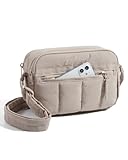
Start with repeatable basics that make more than one outfit: a crisp shirt, good jeans, opaque leggings, a matching set, an easy dress, and a bag that finishes the look.



Recommended blogs to read:
- casual outfit ideas
- everyday outfit ideas for women
- old money outfits on a real budget
- fall jeans outfit ideas
- fall leggings outfit ideas
- wide leg jeans outfit ideas
Which 21 Outfits Always Work When You Have Nothing to Wear?
Use these as practical formulas, not rules. Swap the color, layer, or shoe based on your weather, comfort, and plans.
1. Jeans and the Tee That Fits Best


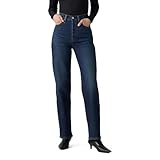
Start with the tee that makes you feel most like yourself. The right neckline and sleeve length do more here than a complicated outfit idea ever will.
Use jeans that do not need adjusting. If the waist, hem, or rise annoys you, that pair is not the answer on a low-patience morning.
2. Button Down Over a Tank
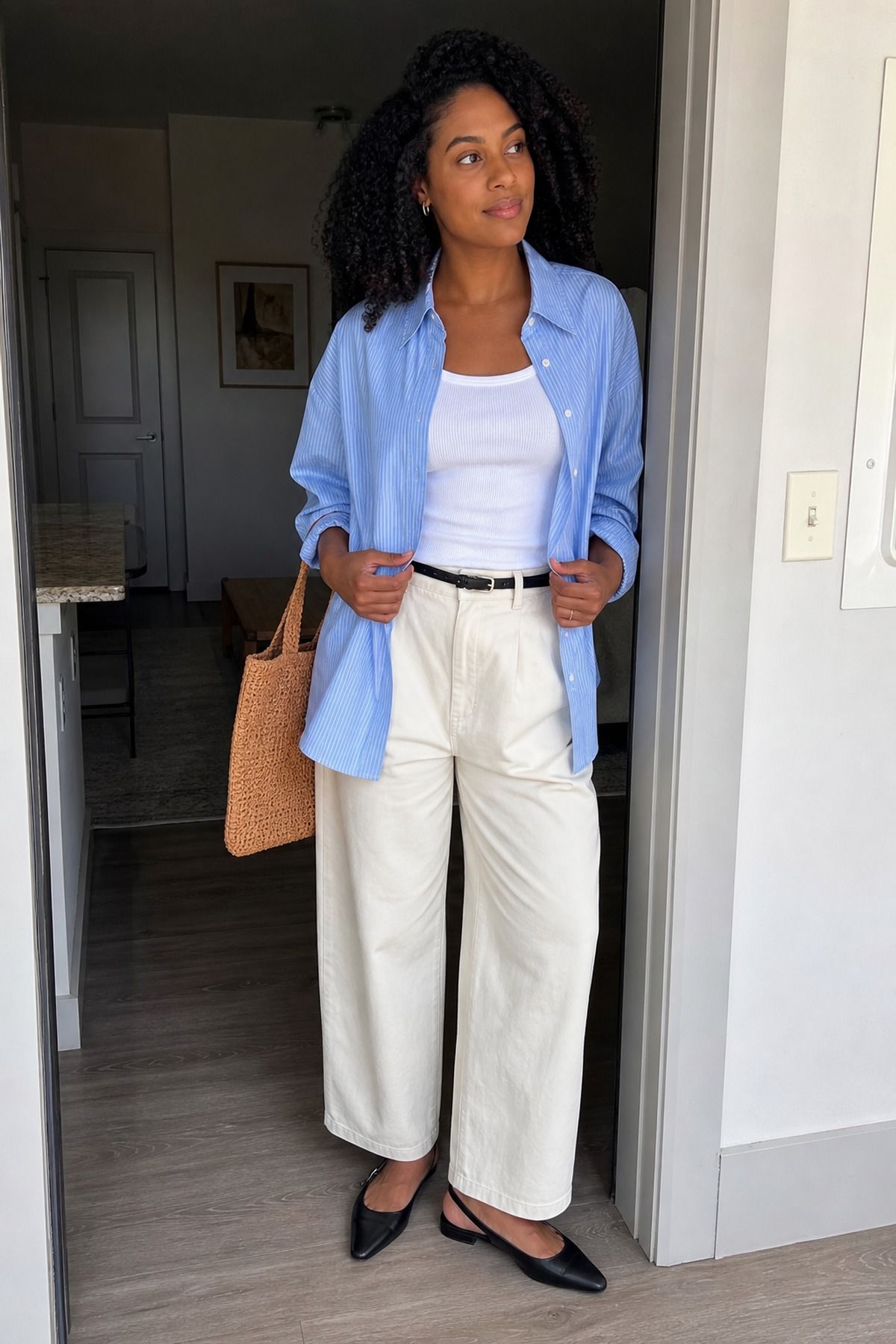


An open button down gives you shape without making the outfit feel formal. It also helps when a tank alone feels too exposed or too plain.
Keep the tank fitted enough to sit cleanly underneath. If both layers are oversized, the outfit can look like laundry day instead of a choice.
3. All-Black Base with One Good Shoe
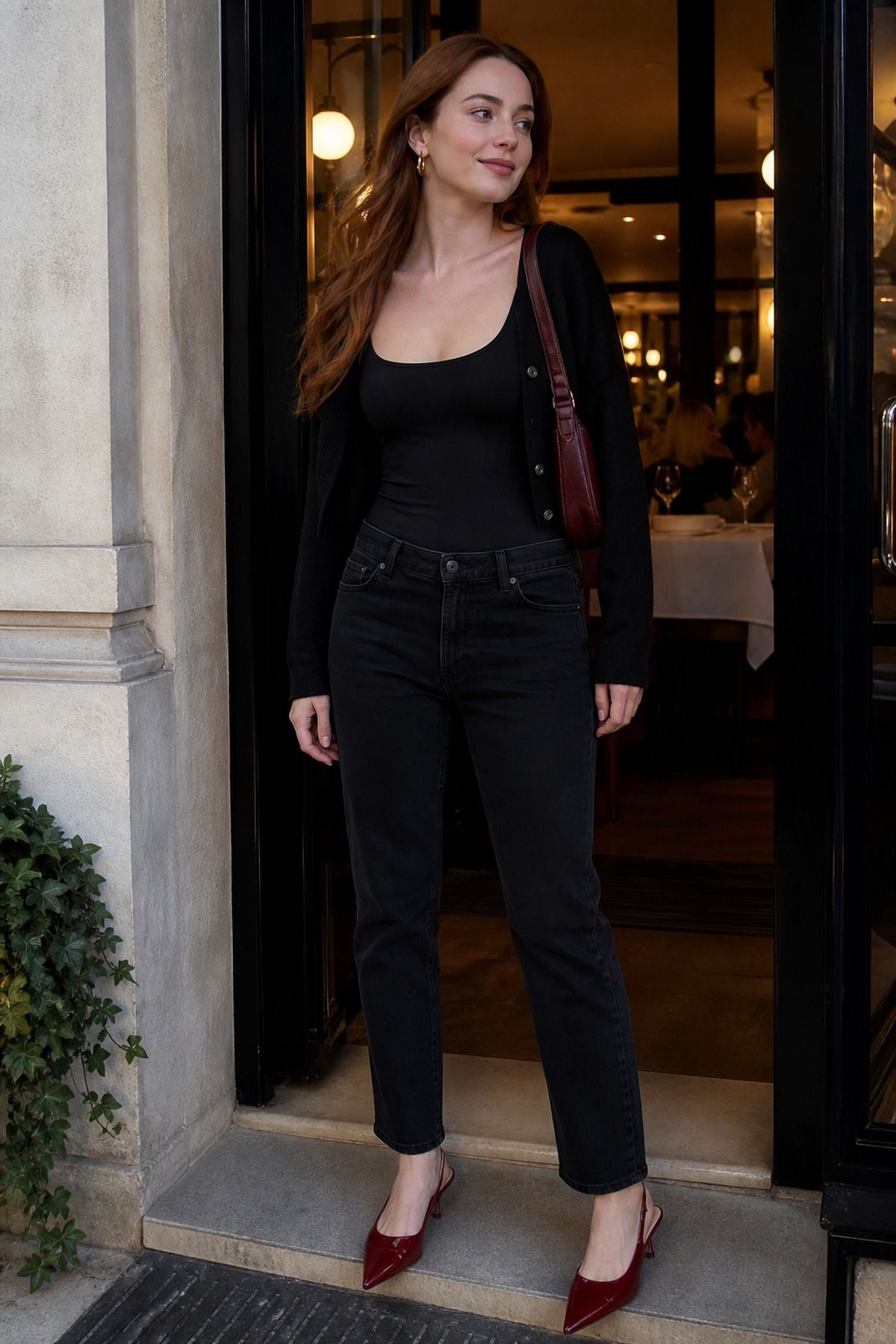


An all-black base is useful because it removes color decisions immediately. The shoe is what keeps it from feeling like a fallback.
Try a loafer, ballet flat, sleek sneaker, or sandal with shape. The outfit only needs one polished detail to work.
4. Matching Set and Clean Sneakers


A matching set is the fastest way to look coordinated when you do not want to think. Clean sneakers make it feel ready for errands, travel, or coffee.
Add a real jacket or bag if you are leaving the house for more than a quick run. That extra piece keeps the set from reading like home clothes.
5. Simple Dress with a Denim Jacket


A simple dress solves the top-and-bottom decision in one move. The denim jacket adds shape and makes it feel casual enough for daytime.
If the dress is loose, choose a shorter jacket. If the dress is fitted, a slightly relaxed jacket can make it easier to wear.
6. Leggings with a Crisp Shirt


Leggings work better outside the gym when the top has structure. A crisp shirt gives coverage and makes the outfit feel intentional.
Use socks and sneakers for a casual look, or loafers and a trench if you want it sharper.
7. Trousers with a Soft Tee
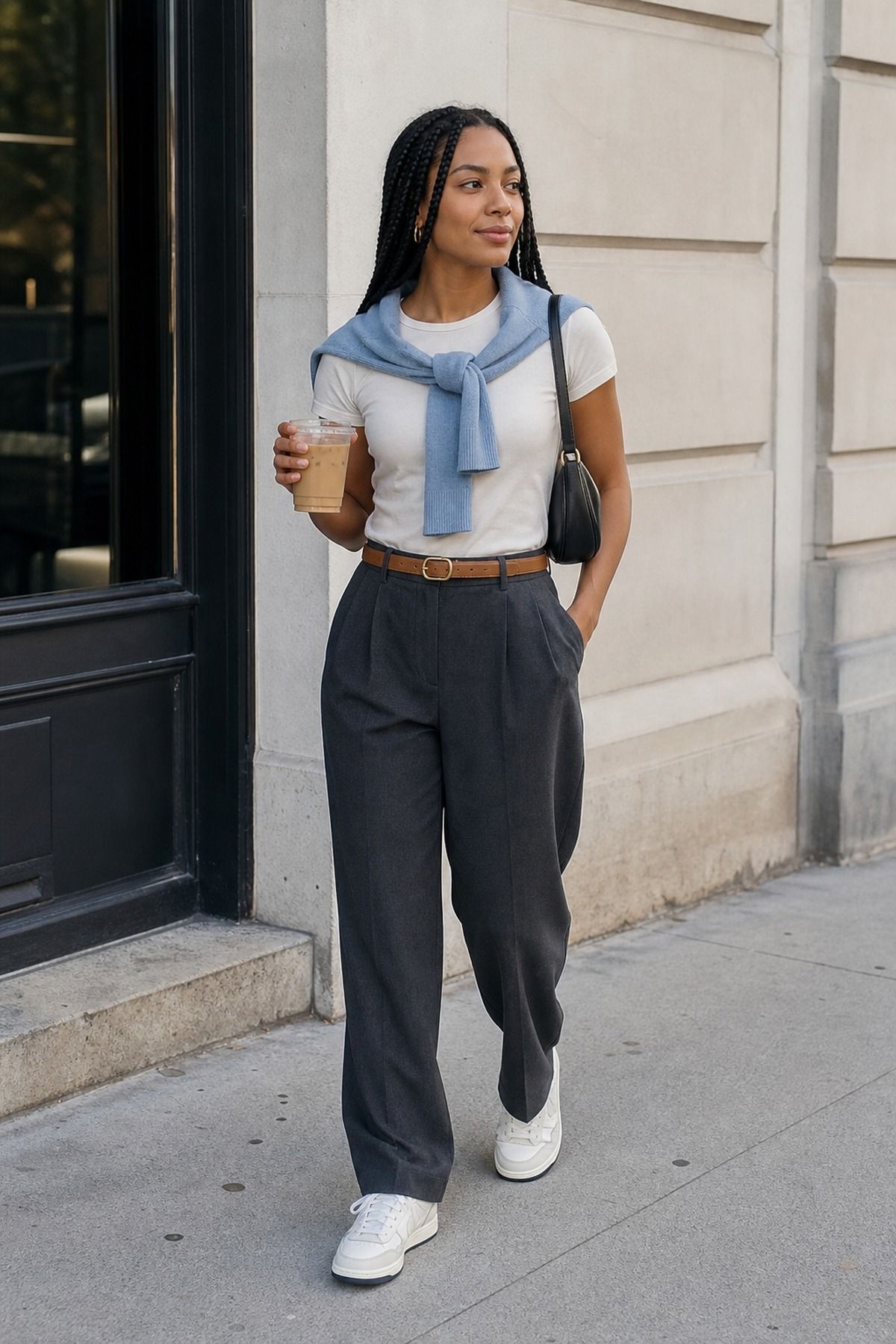

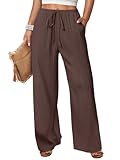

Trousers can rescue a soft tee because they give the outfit a cleaner base. This is a good choice when jeans feel too casual but you still want comfort.
Tuck the tee if the waistband is nice. Leave it relaxed if the trousers sit better with a little ease.
8. Cardigan Buttoned as a Top


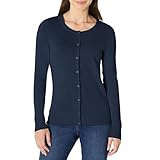
A cardigan worn as a top gives you a finished neckline without needing a blouse. It works with jeans, trousers, or skirts.
Check the buttons before leaving. If there are gaps, wear a tank underneath and leave it slightly open.
9. Sweatshirt with a Midi Skirt
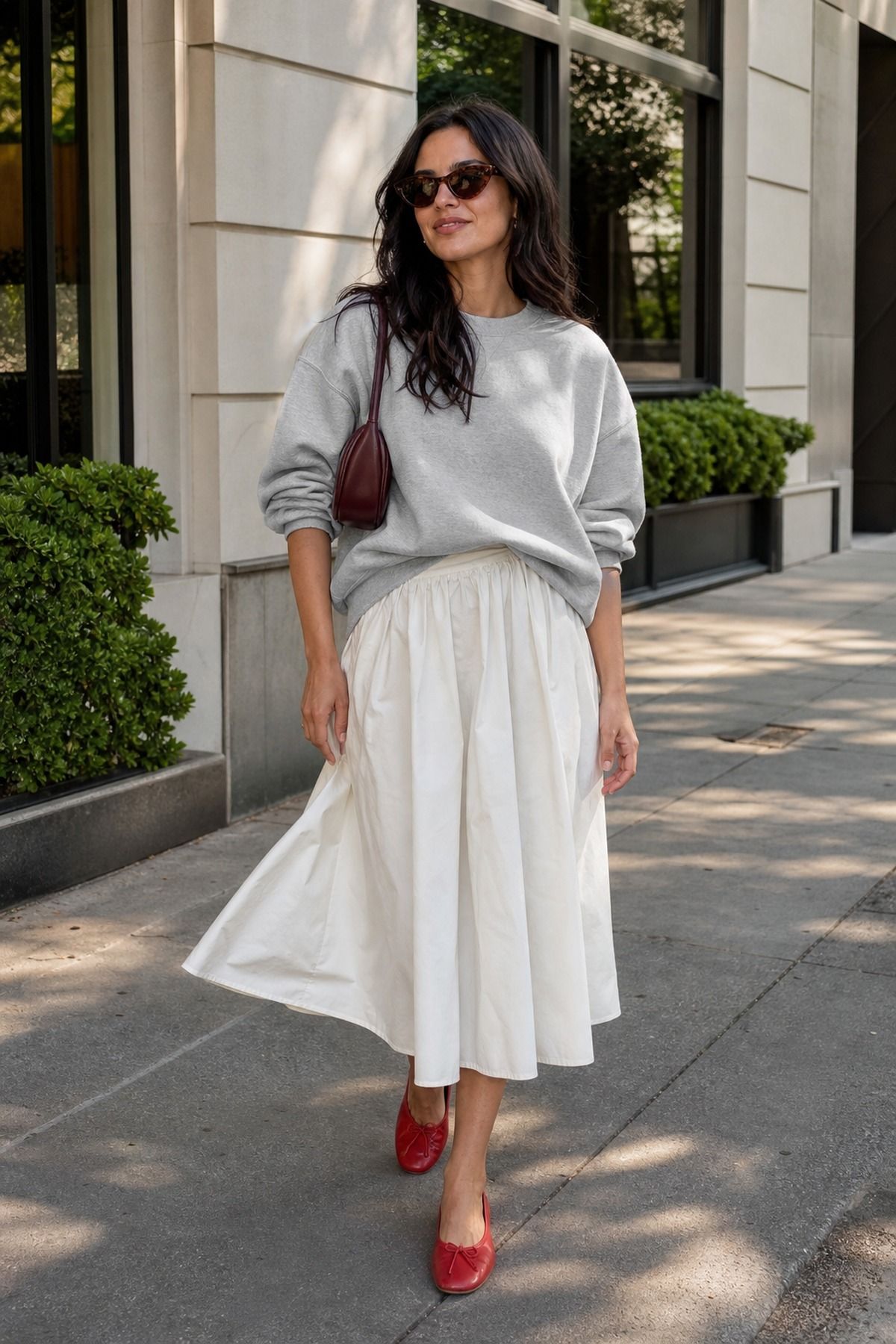


A sweatshirt with a midi skirt is useful when you want softness without staying in lounge clothes. The skirt gives movement, and the sweatshirt keeps the outfit relaxed.
Push the sleeves up or choose a slightly cropped sweatshirt so the waist does not disappear. Sneakers are easiest, but ballet flats can make the same pieces feel quieter.
10. White Jeans and Chambray


White jeans and chambray create a bright outfit without needing much styling. The blue shirt softens the white denim and makes the combination feel casual.
Add brown, tan, or woven accessories if the outfit feels too crisp. This is a good choice for spring days when regular blue jeans feel heavy.
11. Black Jeans and a Cream Sweater


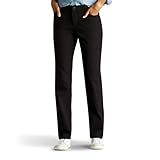
Black jeans and a cream sweater work because the contrast is clean and familiar. It is simple, but it does not look unfinished when both pieces fit well.
Choose the shoe based on the day: loafers for polish, sneakers for errands, ankle boots for cooler weather. A belt helps if the sweater is tucked.
12. Tank Dress and Utility Jacket
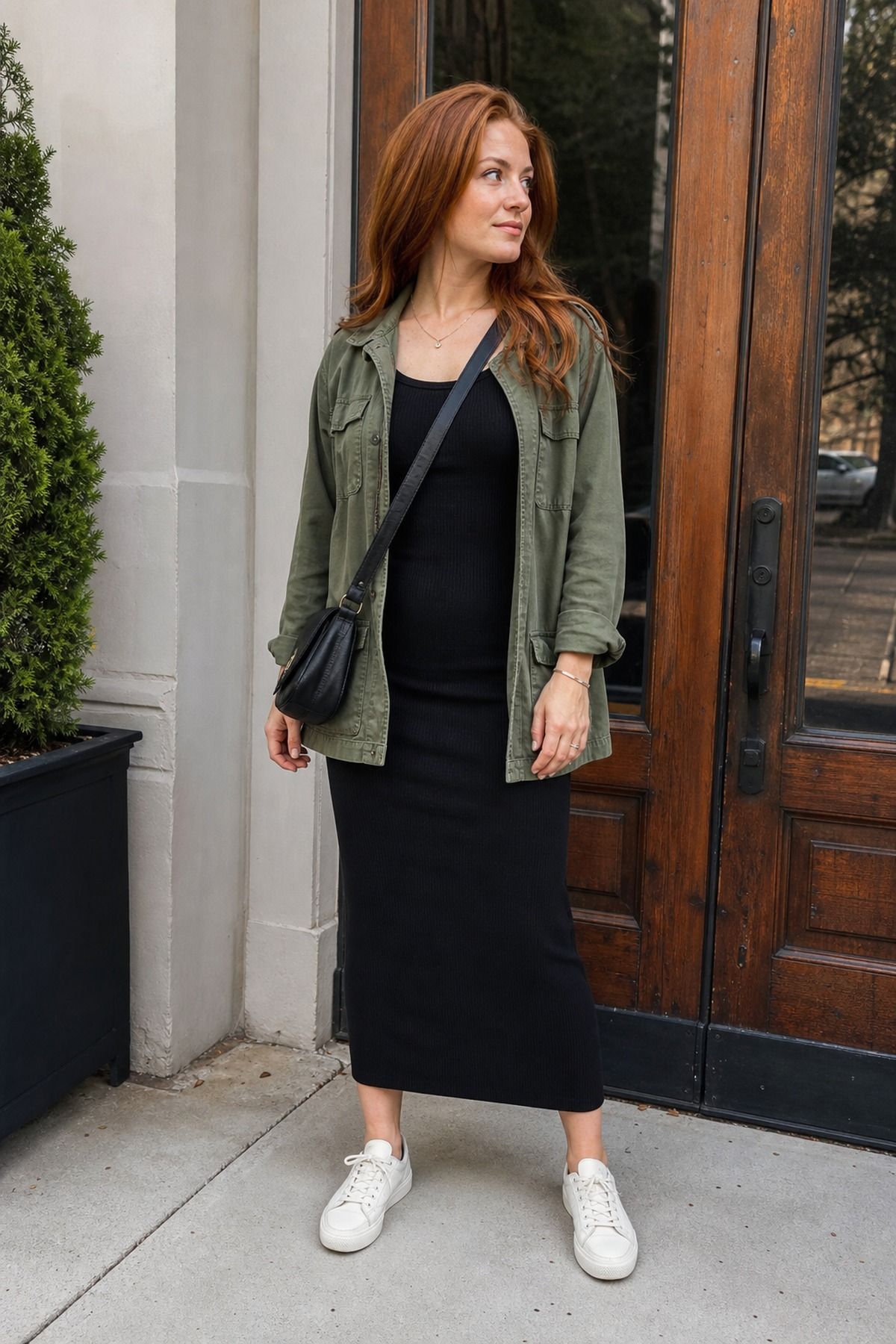


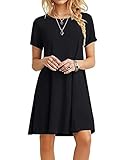
A tank dress takes away the separate-top-and-bottom decision, and a utility jacket gives it shape. This is a good option when you want comfort but still need a layer.
Use a jacket that cinches or stops cleanly at the hip. If the jacket is too long and loose, it can hide the dress instead of helping it.
13. Blazer Over Whatever Base Is Clean
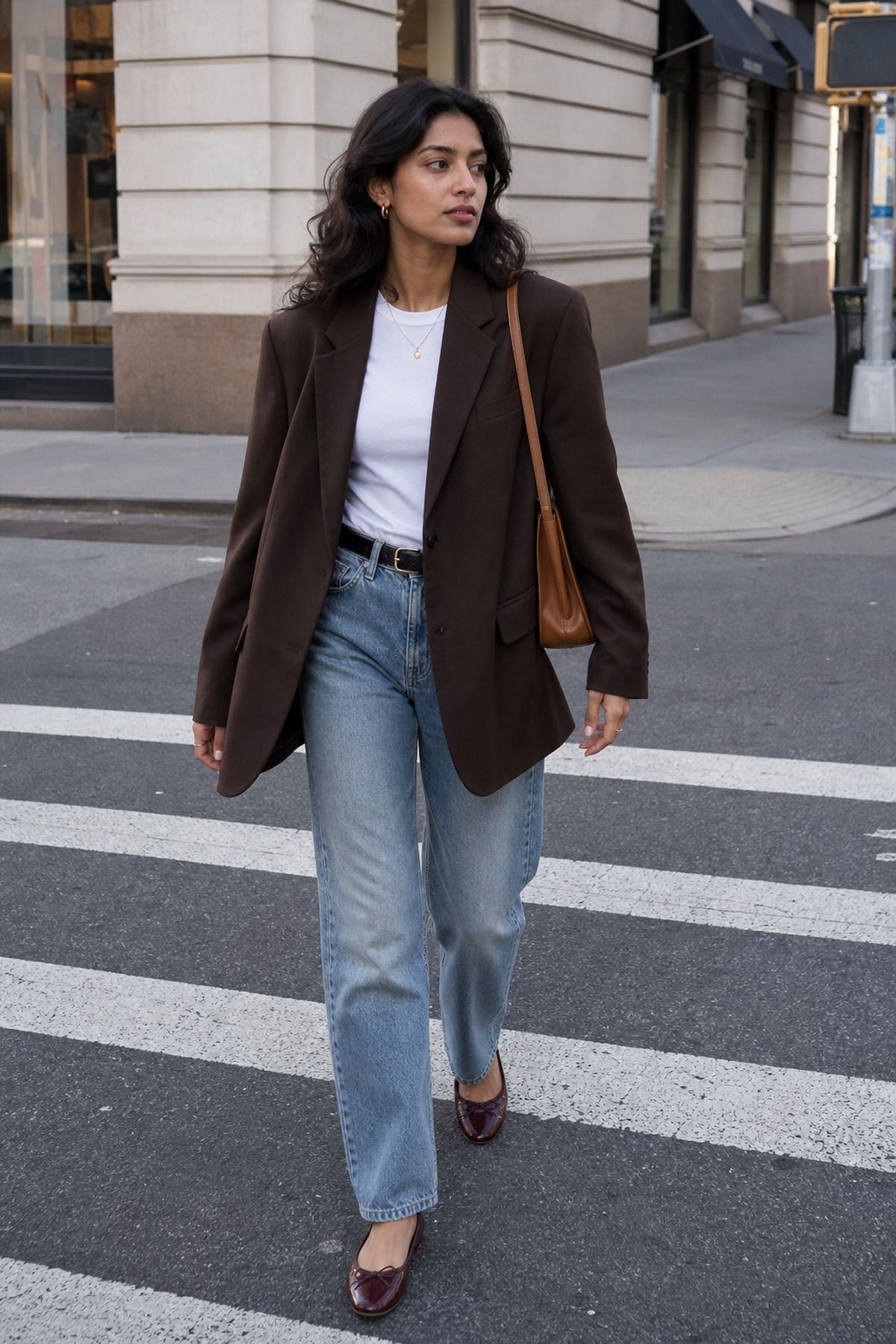


When the base is clean but boring, a blazer can give it structure quickly. It works over a tee, tank, knit, or simple dress if the colors do not clash.
Keep the blazer relaxed enough for the rest of the outfit. A stiff work blazer can make casual pieces look accidental rather than styled.
14. Trench Coat Over Tee and Denim


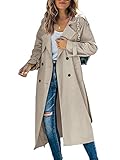
A trench over a tee and denim is a fast way to make basics look more considered. The coat adds movement while the base stays comfortable.
Check the denim hem with the shoe before leaving. A clean break at the ankle usually looks sharper than fabric bunching at the floor.
15. Polo Knit and Relaxed Jeans
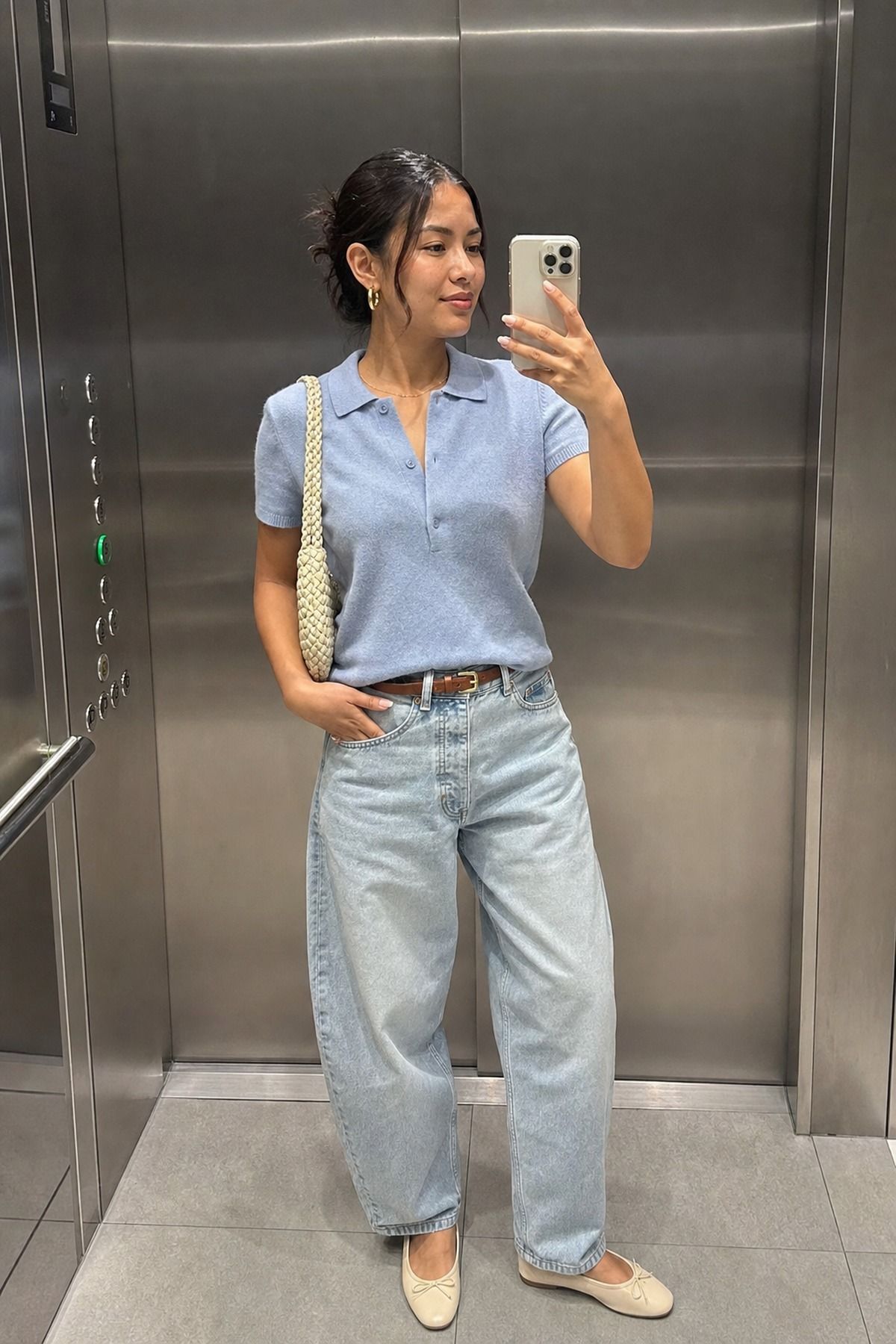


A polo knit gives relaxed jeans a neckline and a little structure. It is an easy choice when a tee feels too plain but a button down feels like too much.
If the polo is fitted, wider denim can balance it. If the polo is boxy, straight jeans usually look cleaner.
16. Maxi Skirt and Ribbed Tank


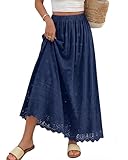
A maxi skirt and ribbed tank is comfortable but still has shape. The fitted top keeps the long skirt from overwhelming the outfit.
Flat sandals make it warm-weather easy. If the skirt is full, keep the bag smaller so the whole look does not feel weighed down.
17. Jumpsuit with a Belt
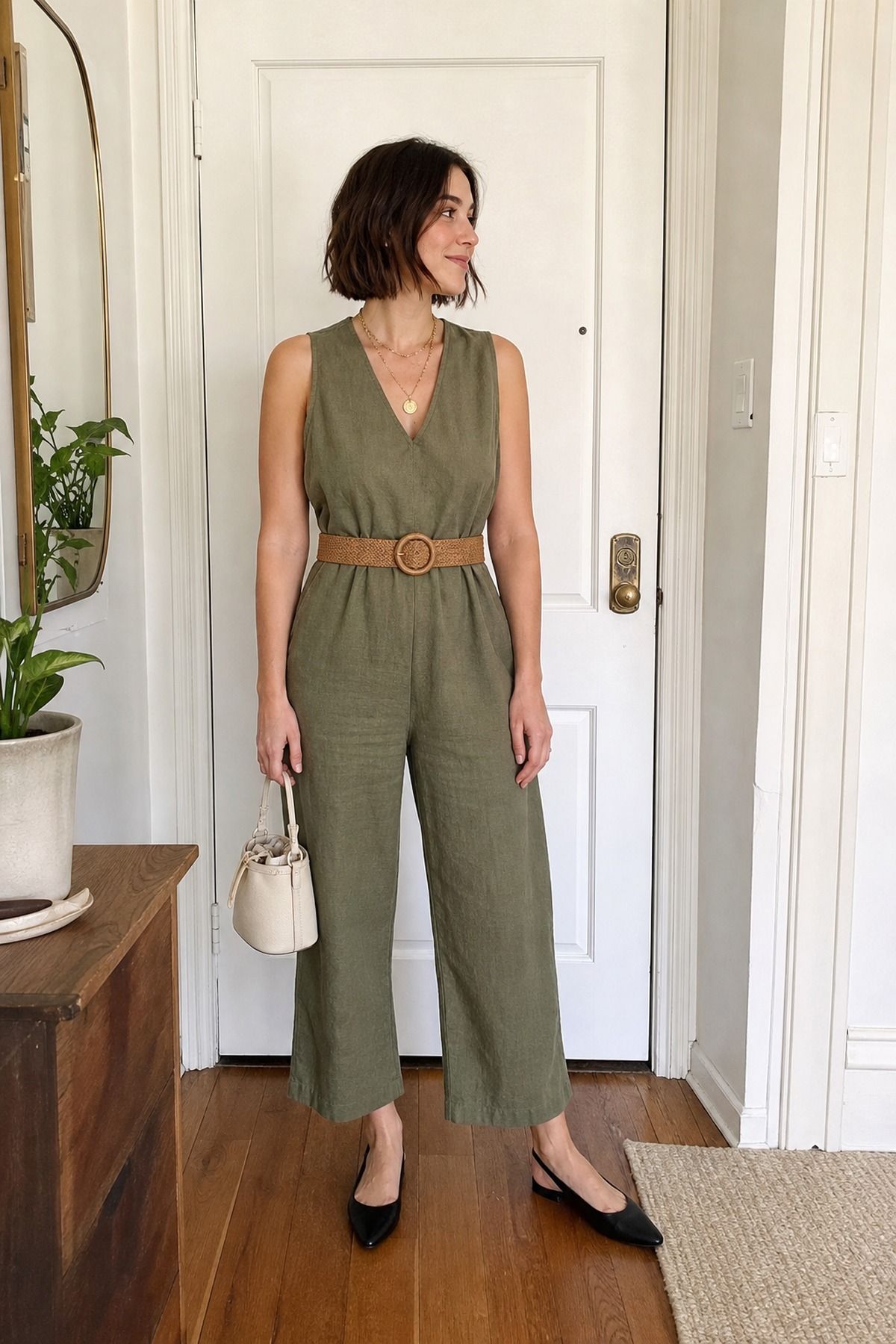


A jumpsuit is helpful because it solves most of the outfit at once. The belt gives the one-piece shape a clear waist and makes it feel finished.
Flat sandals keep it casual, while a low heel or nicer bag can take it to dinner. Make sure the fabric still looks good after sitting.
18. Hoodie Under a Long Coat


A hoodie under a long coat gives comfort a cleaner outline. It is best when the coat has structure and the hoodie is not too thick.
Keep the bottom simple so the outfit does not become bulky everywhere. Straight jeans, leggings, or soft trousers all work.
19. Linen Shirt with Any Denim
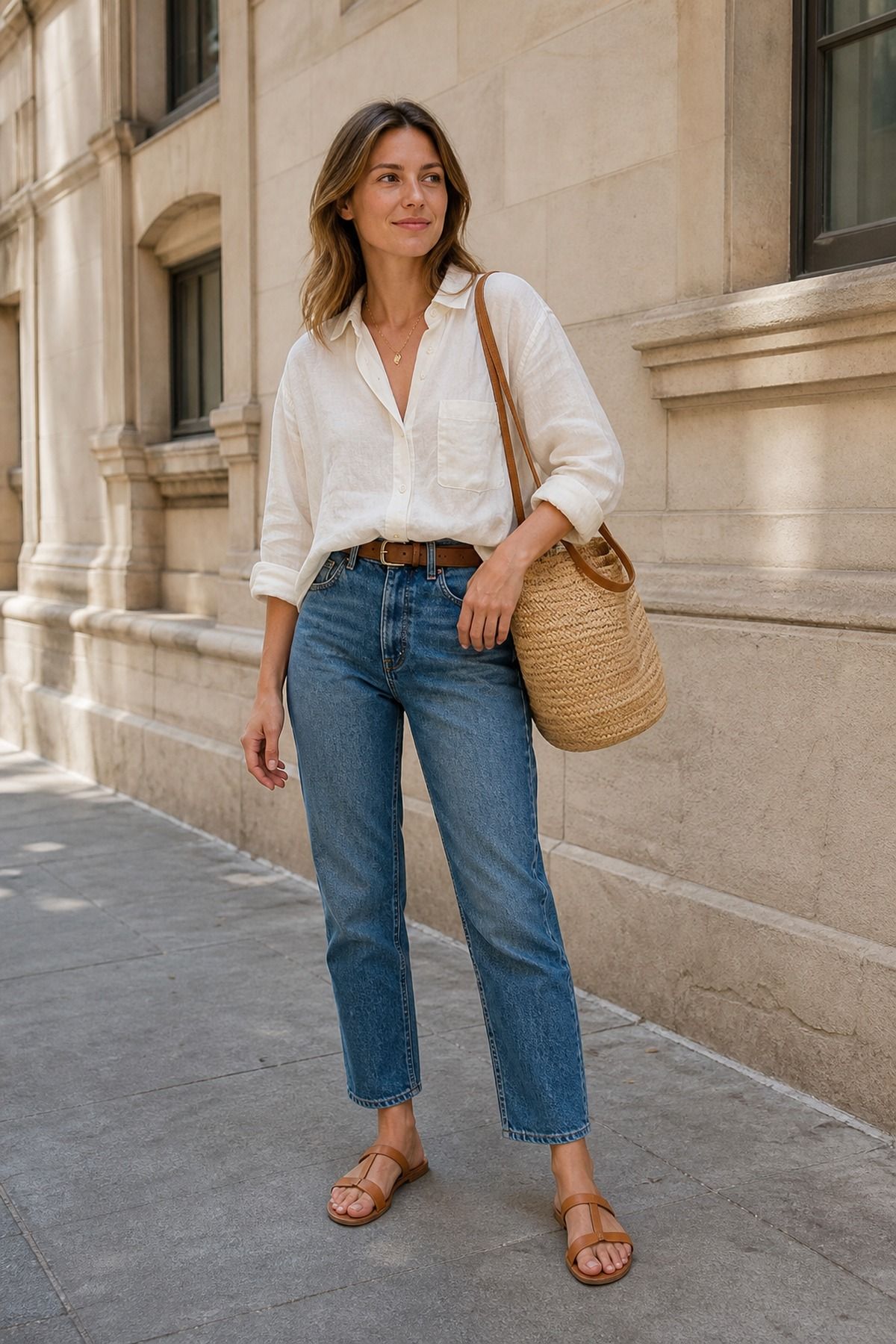


A linen shirt can make almost any denim feel lighter. Wear it open over a tank, tucked into high-rise jeans, or tied at the waist if the proportions need shape.
The linen should look relaxed, not crushed. If it wrinkles heavily, lean into a casual shoe and simple accessories.
20. Tee, Belt, Bag, and Sunglasses
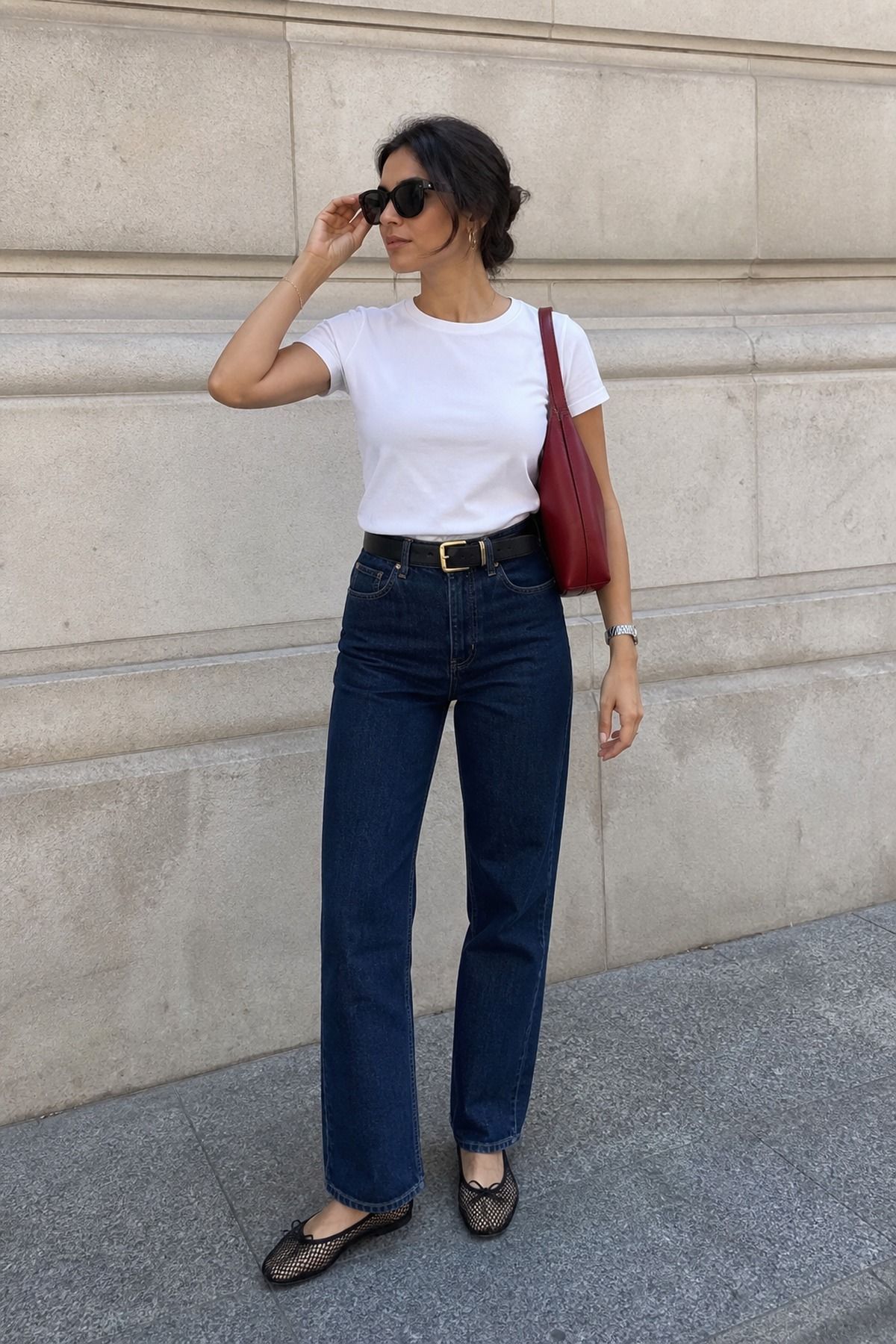
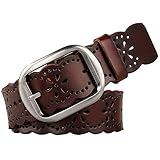

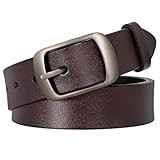
This is the tiny-styling version of getting dressed. A plain tee and bottom can look much better when the belt, bag, and sunglasses are chosen on purpose.
Use this when the clothes are fine but the outfit feels unfinished. The accessories should support the look, not all compete for attention.
21. The Emergency Five-Minute Uniform


An emergency uniform should be a combination you already trust: good jeans or trousers, a clean top, a layer, and shoes you can walk in.
Keep one version ready for warm weather and one for cold weather. The whole point is removing decisions when the morning is already too much.
Key Takeaways
- what to wear when you have nothing to wear should solve real outfit problems, not just look good in a saved photo.
- The strongest casual outfits use fit, fabric, proportion, shoes, and one finishing detail.
- Product keywords should come from the actual shoppable item in the H3 section.
- Repeatable formulas make the closet feel bigger without needing constant new purchases.
- A calmer wardrobe starts with pieces that can be styled at least three ways.
Nothing to Wear Outfit FAQs
What is a simple way to start with what to wear when you have nothing to wear?
Start with the outfit formula you repeat most, then improve one piece in that formula. Better denim, cleaner shoes, a stronger layer, or a more useful bag usually changes more than buying random extras.
How many pieces do I need for what to wear when you have nothing to wear?
You do not need a fixed number. You need enough repeatable tops, bottoms, shoes, and layers to cover your real week without laundry panic or duplicate almost-right pieces.
How do I make casual outfits look more polished?
Focus on fit, fabric, clean shoes, simple color repetition, and one structured piece. A casual outfit can stay comfortable and still look intentional.
What should I avoid when buying casual clothes?
Avoid pieces that only work one way, colors that do not match your real closet, uncomfortable shoes, thin fabrics that lose shape, and impulse buys that duplicate what you already own.
What Should You Wear When You Have Nothing to Wear?
Nothing-to-wear mornings usually mean the closet needs a formula, not more clothes. Leggings with a crisp shirt, a cardigan buttoned as a top, and black jeans with a cream sweater all come together in minutes and still look deliberate.
Save the all-black base with one good shoe as your default, since it works almost anywhere. On sweltering days, these heatwave outfits that still look chic apply the same logic, and my tank top outfit ideas turn one basic into a week of options.
Last update on 2026-10-08 / Affiliate links / Images from Amazon Product Advertising API