

The personal finance tips that changed how I manage money were the boring automated ones: automation on payday, sinking funds for known expenses, a high-yield savings account, and the 24-hour rule on non-essential purchases. The dramatic moves almost never stuck.
The Wednesday night a credit card bill that had been sitting unopened on the kitchen counter for nine days finally got slit open. The number was not catastrophic; the number was just larger than the version of it still living in memory.
The honest recognition: the number was not the problem. The avoidance was. The first 20-dollar transfer that landed in the new high-yield savings account the next morning was the smallest possible recovery move and the one that started the rebuild.
The personal finance tips that genuinely changed how I manage money were almost never the complicated optimization moves the personal finance internet keeps recommending. They were the boring automated ones. Automation on payday so the savings transfer happens before any spending decision can claim the money.
Sinking funds for known expenses so the car registration and the holiday gifts stop being emergencies.
The high-yield savings account earning 4-5% APY at a different bank than the checking account. The 24-hour rule on non-essential purchases. The monthly subscription audit. Ramit Sethi’s I Will Teach You to Be Rich frames the entire shift cleanly: the goal of personal finance is to design the system so the rational choice becomes the default choice, which removes the daily willpower battle that almost always loses to a long-running spending pattern.
The boring proven tips compounded across years; the dramatic plans almost never made it past month two.
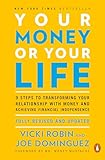
Recommended Personal Finance Books at a Glance
Five canonical books behind the automated-system approach. The numbered tips further down are the actual practice.





Recommended blogs to read:
- Personal Finance Books That Change How You Think About Money
- Personal Finance Rules That Help You Save Money
- A Biweekly Savings Plan for Low Income Budgets
- Smart Money Habits That Actually Build Wealth
- Easy Finance Basics to Save More and Spend Less
- money saving strategies that hold past month two
Why Automated Tips Outperform the Dramatic Money Overhaul
The dramatic money overhaul the financial influencer corner of the internet keeps recommending (cancel every subscription, eat rice and beans for six months, sell half of everything you own, run a no-spend year) collapses in the vast majority of cases because the cognitive overhead exceeds the available willpower budget.
The dramatic plan assumes the version of you with infinite financial discipline already exists and just needs the structure.
The actual version of you is tired, has competing demands on attention, and has a willpower budget that needs to last across work, family, and every other decision of the day.
Automation skips the willpower battle entirely. The savings transfer happens the day the paycheck lands. The investment contribution leaves the checking account on the first of the month. The sinking funds fill themselves with each paycheck.
The 24-hour rule produces the brief pause before the impulse purchase. David Bach’s Automatic Millionaire frames the entire philosophy plainly: the rational choice has to be the default choice, and the default choice is built by structure at the bank, not by willpower at the checkout.
The boring automated tips compound across years into the financial change every dramatic plan kept promising and never quite delivering.
The 10 Personal Finance Tips That Changed How I Manage Money
Ordered by long-term impact. Pick one tip to implement this week. Hold it for 30 days. Add the second only after the first feels automatic.
1. Automate the Savings Transfer on Payday


The single highest-impact tip in my routine. The day each paycheck lands, 20% transfers automatically to the high-yield savings account before any spending decision can claim it. David Bach’s Automatic Millionaire makes the case as cleanly as it gets made: the willpower battle is eliminated because the decision was made once at the bank, not 30 times across the month at the moment of each spending temptation.
2. Open a High-Yield Savings Account at a Different Bank


Marcus, Ally, Discover, SoFi, or any HYSA earning 4-5% APY at current rates. The account lives at a different bank than the checking account, which adds the small friction layer that keeps the emergency fund from getting raided for non-emergencies. The compound interest on a real emergency fund balance is meaningful and compounds across years.
3. Build Sinking Funds for Known Expenses
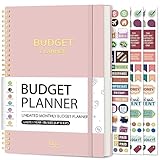


Sinking funds are the small subaccounts for known future expenses. Car registration (200 dollars due in October). Holiday gifts (400 dollars due in December). Annual insurance (450 dollars due in May). Divide each by the months remaining and transfer that fraction monthly. The expenses stop being emergencies and become routine budgeted savings withdrawals.
4. Apply the 24-Hour Rule to Non-Essential Purchases


Any non-essential purchase over 50 dollars waits 24 hours before completion. The pause is short enough to be sustainable and long enough to let the impulse-driven dopamine spike fade. A meaningful percentage of the items in the 24-hour bucket get quietly abandoned because the brain re-evaluates them once the spike has passed.
The rule has saved more money in my routine than any single budgeting move.
5. Run a Monthly Subscription Audit

Pull the credit card and bank statements on the first Sunday of each month. List every recurring subscription. Cancel anything not used in the past 30 days. Streaming services. Software trials that auto-renewed. Annual subscriptions that quietly bill again at full price. The monthly audit consistently surfaces 30 to 80 dollars of forgotten spend, which redirects to savings.
6. Track Spending for One Month Before Adjusting


Before changing the budget, track every dollar spent for one month. The exercise surfaces the actual spending pattern, which is almost always different from the imagined pattern. The budget gets built on real data rather than aspirational guesses. Erin Lowry’s Broke Millennial covers this honest baseline step as the single biggest predictor of long-term plan adherence.
7. Use the Debt Snowball for High-Interest Debt


Dave Ramsey’s debt snowball lists every debt smallest to largest. Minimum payments on everything; all extra money attacks the smallest balance. Once the smallest is eliminated, the freed-up payment rolls into the next smallest.
The psychology of small visible wins beats the mathematically-optimal avalanche method for the vast majority of people because completion produces the momentum that sustains the longer payoff journey.
8. Implement the Conscious Spending Plan
Ramit Sethi’s conscious spending plan lets you spend extravagantly on the small number of things you actually love (books, travel, dinner with friends) while cutting ruthlessly on the things you do not (generic restaurant lunches, impulse retail, subscriptions you forgot about).
The framework eliminates the guilt of spending money on the things that genuinely matter to you and produces the discipline to cut everything else.
9. Run a No-Spend Week Quarterly


Once a quarter, a no-spend week. Groceries and essential bills only. No restaurants. No impulse buys. No upgrades. The week surfaces how much discretionary spending was actually optional and produces a reset that recalibrates the spending baseline for the months that follow. Quarterly is sustainable; monthly tends to produce backlash.
10. Review the Whole System Quarterly


Every 90 days, the system gets reviewed. Did the automation rate hold. Did the sinking funds cover the actual expenses. Did the investment account produce the expected contribution. Did the no-spend week land.
The quarterly review keeps the system responsive to a life that changes and prevents the slow drift back toward the unstructured patterns that started the avoidance cycle in the first place.
How Long Before the Tips Start Producing Real Financial Change
The first measurable shift arrives between weeks two and eight. The automated savings transfer has built the first visible balance. The subscription audit has recovered 30 to 80 dollars of forgotten spend. The 24-hour rule has quietly prevented the first three or four impulse purchases.
The high-yield savings account has produced its first small interest deposit. Weeks one through two are the discomfort window where the new system feels like extra friction and the pull back toward the old reactive money patterns is loudest.
The deeper compounding gains arrive between months three and 24. The emergency fund has crossed a meaningful threshold (3-6 months of expenses). The sinking funds have absorbed an entire year of known expenses without any borrowing or scrambling. The debt snowball has eliminated multiple balances.
The investment account has experienced its first market cycle. The boring automated tips have done what they always do across enough time: produced the financial change every dramatic money overhaul kept promising and never quite delivering.


Frequently Asked Questions
What is the best personal finance tip?
Automate the savings transfer on payday. The single highest-impact tip in the entire personal finance literature. The day each paycheck lands, 20% transfers automatically to a high-yield savings account before any spending decision can claim it. The willpower battle is eliminated at the bank, not won at the checkout.
How do I start managing money on a budget?
Track every dollar spent for one month before building the budget. Open a high-yield savings account at a different bank than checking. Automate a 10-20% savings transfer on payday. Build sinking funds for known expenses. Apply the 24-hour rule to non-essential purchases. Run a monthly subscription audit. Review quarterly.
What is the 50/30/20 rule?
The 50/30/20 rule allocates 50% of after-tax income to needs, 30% to wants, and 20% to savings and debt payoff. The rule works as a starting framework. The wealth-building versions usually shift the savings line to 25-30% and trim the wants line accordingly. In high cost-of-living areas, the rule needs adjustment.
How much should I have in savings?
First milestone: 1,000-dollar starter emergency fund. Second milestone: 3-6 months of essential expenses in a high-yield savings account. Third milestone: 6-12 months if income is variable or the household has dependents. Beyond that, the money moves to investment accounts where the compounding returns are higher.
Does the debt snowball work better than the avalanche?
The avalanche method (attacking highest interest first) is mathematically optimal. The snowball method (attacking smallest balance first) is psychologically optimal because the visible wins produce the momentum that sustains the longer payoff journey. For most people, the snowball produces faster real-world debt elimination because it is the method actually completed.
How long does it take to see results from finance tips?
First measurable shifts between weeks two and eight as the automation lands and the subscription audit recovers forgotten spend. Compounding gains between months three and 24 as the emergency fund builds, the sinking funds absorb known expenses, the debt snowball eliminates balances, and the investment account experiences its first market cycle.
Key Takeaways
- The personal finance tips that change how you manage money are the boring automated ones, not the dramatic overhauls.
- Automate the savings transfer on payday. The willpower battle is won at the bank, not at the checkout.
- Open a high-yield savings account at a different bank than checking. The small friction layer protects the emergency fund.
- Build sinking funds for known expenses. The car registration and holiday gifts stop being emergencies.
- Apply the 24-hour rule to non-essential purchases. Run a monthly subscription audit. Track spending one month before adjusting.
- First shifts between weeks two and eight. Compounding gains between months three and 24.
Final Thoughts
The personal finance tips that actually changed how I manage money were the boring automated ones the financial internet rarely makes viral content out of. Automation on payday. Sinking funds for known expenses. The high-yield savings account at a different bank.
The 24-hour rule. The monthly subscription audit. The conscious spending plan. The quarterly review. Pick one this week. Implement it at the bank Monday morning. Hold it for 30 days. Add the second only after the first feels automatic.
Across months and years, the boring proven structure compounds into the financial life the dramatic overhauls kept promising and almost never delivering.
Last update on 2026-10-10 / Affiliate links / Images from Amazon Product Advertising API