

Period self care done well is built around the four hormonal phases of your cycle, menstrual, follicular, ovulation, and luteal. Each phase calls for different food, movement, sleep, and emotional support, and Geisinger, Kaiser Permanente, and NYP all endorse this framework as cycle syncing.
Quick answer: Period self care works best when it follows the four phases of your cycle, menstrual, follicular, ovulation and luteal, with food, movement, rest and emotional support adjusted to each week and a lighter schedule in the last days of the luteal phase.
Period self care content tends to treat your cycle as one event you survive once a month, which is roughly the opposite of how your body actually works. The menstrual cycle has four distinct hormonal phases, each with its own energy level, its own appetite, its own sleep pattern, and its own emotional weather.
The week you want to cancel everything and the week you feel unstoppable are not personality swings, they are progesterone and oestrogen doing their job, and the self care that actually helps is the kind that meets each week where it lives.
This post is the practical version of cycle syncing, drawing on the framework Geisinger, Kaiser Permanente, and New York Presbyterian have all endorsed in the last two years. A short look at what each phase is doing biologically, the rituals that actually fit each one (food, movement, rest, social), and the honest signs that what is happening in your cycle warrants a doctor rather than another candle and a podcast.
By the end you will have a four-phase ritual menu you can run for the next month, a clearer read on what your luteal-week heaviness is actually telling you, and a calmer relationship with the week your body wants the heating pad and the blanket.
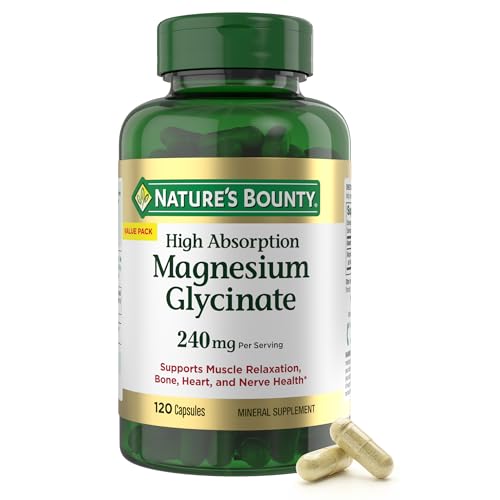
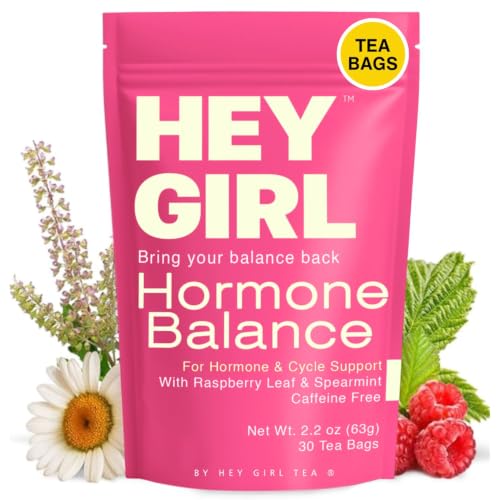
Recommended Period Self Care Essentials
Five small anchors people who run a real cycle-syncing practice tend to keep nearby. None of them are required, all of them lower the friction at the moment you most need it (which is almost always Thursday of luteal week).



Recommended blogs to read:
- Seasonal Self Care Ideas for Every Time of Year
- A Weekly Self Care Schedule That Actually Fits Your Life
- Simple Self Care Habits for a Calmer More Grounded Year
- Summer Self Care Ideas for Feeling Fresh Balanced and Rested
- Emotional First Aid for the Small Daily Injuries Nobody Names
Why Cycle Syncing Works (the Four-Phase Framework)
Geisinger frames cycle syncing as the practice of aligning your lifestyle (food, movement, work, social, sleep) with the four hormonal phases of your cycle. The biology is straightforward. Oestrogen rises through the follicular phase and peaks at ovulation.
Progesterone takes over through the luteal phase. Both drop sharply the day before menstruation, which is the day most people feel the biggest energy crash and the strongest urge to cancel plans.
Kaiser Permanente notes that working with these shifts (rather than trying to push through them) reduces PMS symptoms, improves sleep across the month, and tends to stabilise mood. NYP Health Matters adds the most useful framing in 2026, cycle syncing is not about biohacking your hormones, it is about respecting them enough to stop scheduling difficult conversations during luteal week.
The four phases are roughly menstrual (days 1-5), follicular (days 6-14), ovulation (around day 14), and luteal (days 15-28). Each one has its own job. Each one wants different things from you. The rituals below match each phase to what your body is actually doing.
Menstrual Phase Self Care (Days 1-5)
The menstrual phase is the deepest rest week of the month, biologically. Oestrogen and progesterone are at their lowest, energy is genuinely lower, and the nervous system is more inward-focused. The self care that fits is permission to slow down, not pressure to power through.
Food
Iron-rich foods (lean beef, lentils, dark leafy greens) replace what the bleed is taking. Warming foods (soup, oatmeal, baked sweet potato) support digestion. Magnesium-rich foods (dark chocolate, almonds, pumpkin seeds) help cramps. Skip the caffeine increase, the boost is short and the crash is harder this week.
Movement
Gentle yoga, walking, stretching. Skip heavy cardio and heavy lifting unless you genuinely enjoy them this week. The Geisinger framing is direct, your body is doing a lot of internal work, you do not also need to PR your deadlift.
Rest and rituals
Heating pad on the lower belly for cramps. Earlier bedtime by 30 to 60 minutes. Journaling tends to land deeper this week because the introspective wiring is more available. One small ritual (a long bath, a candle, a podcast) makes the week feel like care rather than survival.
Follicular Phase Self Care (Days 6-14)
Oestrogen rises across the follicular phase, which means energy, creativity, and social tolerance all rise with it. This is the week to schedule the harder gym sessions, the bigger projects, and the social commitments. The self care here is making sure you actually use this energy rather than spending it on email.
Food can be lighter and fresher, fish, eggs, fermented foods, plenty of vegetables. Movement can ramp up, strength training, longer runs, harder yoga. Sleep needs are slightly lower (still aim for seven to nine, but the natural energy is higher).
This is the right week for the new project, the difficult conversation you have been putting off, and the social plans you usually feel too tired for.
Ovulation Phase Self Care (Around Day 14)
Ovulation is the shortest phase (one to three days) and the one where you usually feel best. Oestrogen and testosterone both peak. Energy, confidence, libido, communication, all up. The self care is less about coping and more about taking advantage of the window.
This is the right couple of days for important presentations, dates, the conversation that needs your most articulate self. Food can be whatever you want within reason, your metabolism is at its monthly peak. Movement-wise, high-intensity workouts feel easiest this week. Some people notice better skin and brighter mood, both real hormonal effects.
Luteal Phase Self Care (Days 15-28)
The luteal phase is the longest and the one where most period self care actually matters. Progesterone rises and then drops sharply at the end. Mood, energy, appetite, and tolerance for stress all fluctuate, and the last three to five days (PMS territory) are when the wheels tend to come off.
Food (luteal week)
Complex carbs become genuinely important (sweet potato, oats, brown rice) because they help serotonin. Magnesium becomes more important (leafy greens, dark chocolate, almonds, supplementation if needed). Reduce alcohol, your tolerance is lower and the sleep cost is higher. Increase water, bloating responds to hydration more than people realise.
Movement (luteal week)
Moderate intensity. Walking, pilates, lighter strength sessions, yoga. The high-intensity workouts that felt easy in ovulation tend to feel grindy in luteal week, and the cortisol response is stronger. Honouring the energy drop helps more than pushing through.
Emotional self care (luteal week)
This is the week to under-schedule, especially the last three to five days. Hard conversations, big work pushes, and contentious social plans all land harder. Plan the bath, the comfort food, the early night. The week is doing what it is doing. You are not imagining the heaviness.
When Period Self Care Is Not Enough
Period self care is for the typical hormonal pattern. It is not treatment for the conditions that masquerade as bad PMS, and trying to push through them with lifestyle alone makes the underlying issue worse. Endometriosis, PMDD (premenstrual dysphoric disorder), fibroids, PCOS, and thyroid dysregulation all warrant a doctor visit rather than another ritual.
The signs that what you are dealing with is more than typical PMS, pain that disrupts your work or sleep, mood symptoms that feel outside what you can manage with self care, cycles that are wildly irregular, bleeding heavy enough to soak through protection in an hour.
None of those are character flaws or self-care failures. They are medical signals worth taking seriously.
Period Self Care Questions, Answered
What is period self care?
Period self care is the practice of supporting your body through the menstrual phase of your cycle (and ideally the other three phases as well) with food, movement, rest, and emotional support that match what your hormones are doing. Geisinger and Kaiser Permanente both endorse this framework as cycle syncing.
What are the four phases of the menstrual cycle?
Menstrual (days 1-5, lowest hormones, deepest rest needs), follicular (days 6-14, oestrogen rising, highest energy build), ovulation (around day 14, peak hormones, peak feel-good), and luteal (days 15-28, progesterone phase, PMS territory in the final days).
What foods help during your period?
Iron-rich foods (lean beef, lentils, leafy greens) replace what the bleed takes. Magnesium-rich foods (dark chocolate, almonds, pumpkin seeds) ease cramps. Complex carbs (oats, sweet potato) support serotonin. Reduce caffeine and alcohol if you tolerate less of either this week.
How can self care help PMS?
Luteal-phase preparation reduces the severity of PMS in most people. Magnesium support, lower-intensity movement, earlier bedtime, complex carbs, and deliberately lighter social scheduling for the last three to five days of luteal week all help. Severe PMS that meets PMDD criteria warrants a doctor.
Should I exercise on my period?
Gentle movement helps cramps and mood. Walking, yoga, stretching, light strength work all fit. Skip the heavy cardio and PR-attempt workouts unless you genuinely enjoy them this week. Your body is doing internal work.
Is cycle syncing scientifically supported?
The general framework of adjusting lifestyle to hormonal phases is endorsed by Geisinger, Kaiser Permanente, and NYP Health Matters. The harder claims (cycle-syncing diet apps that promise specific outcomes) are weaker. The basic version, more rest in luteal, more energy in follicular, holds up.
Key Takeaways
- Period self care works when you treat your cycle as four distinct hormonal phases, not one event to survive.
- Menstrual phase calls for deep rest, iron-rich food, gentle movement. Follicular phase is the high-energy week. Ovulation is the peak feel-good window. Luteal is the under-schedule week, especially the final three to five days.
- Magnesium, complex carbs, and earlier bedtimes do meaningful work in luteal week. Skip alcohol where you can.
- Cycle syncing is endorsed by Geisinger, Kaiser Permanente, and NYP Health Matters as a real framework, with the basic version (rest in luteal, energy in follicular) the most evidence-supported.
- Severe symptoms (debilitating pain, mood symptoms outside what self-care touches, wildly irregular cycles, heavy bleeding) warrant a doctor visit. Endometriosis, PMDD, fibroids, PCOS, and thyroid issues all masquerade as bad PMS.
How Do You Plan Period Self Care Around Each Cycle Phase?
Period self care done well is the four-phase ritual menu, food that matches the hormone each week is running on, movement that respects energy actually available, and the under-scheduling of luteal week’s final days.
The week you want to cancel everything is not a personality flaw. It is progesterone doing its job, and meeting it with the right support is what makes the rest of the month easier.
For more ideas to fill the slower weeks, my spring self care rituals are gentle and seasonal, and this guide to creator self care is useful if your workload does not naturally make room for a quieter luteal week.
Last update on 2026-10-24 / Affiliate links / Images from Amazon Product Advertising API