

Becoming a morning person works through a 15-minute incremental bedtime shift, 10 minutes of natural light in the first hour after waking, and stopping bright screens an hour before bed. Eight weeks of that produces the actual circadian shift.
Quick answer: Becoming a morning person works when you shift your bedtime 15 minutes earlier each week, get 10 minutes of natural light in the first hour after waking and stop bright screens an hour before bed, giving it about eight weeks.
The Sleep Foundation’s protocol for shifting wake time is 15 minutes earlier per week, paired with 10 minutes of natural morning light in the first hour after waking, and the science is unusually clean for once.
Becoming a morning person is mostly a circadian-rhythm problem, not a willpower problem. The Sleep Foundation guide, the Oura blog on circadian rhythm, and the BBC Science Focus protocol all converge on the same three-part approach: shift the bedtime in 15-minute increments rather than 60-minute jumps, get 10 minutes of natural light in the first hour after waking to reset the circadian clock, and stop bright artificial light one hour before bed so melatonin production starts on time.
Eight weeks of this produces the actual shift. One week of trying to wake at 5am after midnight bedtimes produces only the burnout that ends the experiment.
Recommended Sleep + Morning Tools at a Glance
Five practical tools that support the circadian shift. The numbered listicle further down has the full protocol with the specific role each tool plays.





Recommended blogs to read:
- The 5-Step Morning Routine That Makes the Whole Day Feel Less Reactive
- The Minimalist Morning Routine for a Clearer Head and Less Friction
- A Mindful Morning Routine for a Calmer Less Reactive Start
- Morning Routine Ideas Worth Stealing for a Calmer More Productive Day
- Daily Habits to Improve Your Life Without Overhauling Everything
The Science of Why 15-Minute Increments Work Better Than 60-Minute Jumps
The circadian clock that controls sleep-wake timing responds to gradual shifts in roughly 15- to 20-minute increments per day. Larger jumps trigger the same kind of jet-lag misalignment that international travel produces, where the body’s internal clock and the actual clock are out of sync for days.
The Sleep Foundation’s 15-minute weekly shift protocol works because it stays within the circadian system’s natural adjustment range.
Each week the bedtime moves earlier by 15 minutes; the wake time moves earlier by the same 15 minutes; the body recalibrates without producing the burnout cycle that the dramatic 5am-tomorrow approach always triggers.
The morning-light step is what locks the shift in. Ten minutes of natural light in the first hour after waking signals the suprachiasmatic nucleus (the brain’s master circadian clock) that the day has started, which suppresses remaining melatonin and starts the cortisol wake response.
Without this step, the bedtime shift drifts back within two weeks. The light does not have to be direct sunlight; an overcast morning still delivers roughly 1,000 to 10,000 lux, which is dramatically more than indoor lighting at 100 to 500 lux.
A walk outside, a window seat with coffee, or a sunrise-alarm lamp all produce the same effect.
The 10 Tools and Habits That Anchor the Morning-Person Shift
Ordered by the eight-week protocol. The first three habits handle the circadian work directly. The remaining seven support the shift across the adjustment period.
1. Shift Bedtime 15 Minutes Earlier Each Week
Week one, bedtime moves to 11:45pm (from midnight). Week two, 11:30pm. Week eight, 10pm. The 15-minute increment stays within the circadian system’s natural adjustment range. Larger jumps trigger the jet-lag pattern that always defeats the goal.
2. Get 10 Minutes of Natural Light in the First Hour After Waking
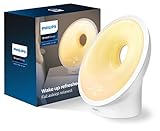
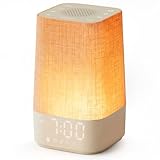
Outside walk, a window seat with coffee, or a sunrise-alarm lamp at 10,000 lux. The morning-light step is what locks the bedtime shift into the circadian rhythm. Without this step the gradual bedtime shift drifts back within two weeks. The Philips Wake-Up Light at $80 is the indoor alternative for users without morning outdoor access.
3. Stop Bright Screens One Hour Before Bed


Bright artificial light in the evening suppresses melatonin production and pushes the circadian clock later. The fix is one hour of dim lighting before bed, with screens off or set to night mode at minimum brightness. Blackout curtains close the loop by keeping the bedroom dark through the night and supporting the wake-time light shock that anchors the new schedule.
4. Hatch Restore 2 Sunrise Alarm


Smart sunrise alarm and wind-down sleep light at $199 that supports both ends of the circadian shift. The morning sunrise simulation produces a gentler wake than the phone alarm. The evening wind-down light replaces the bright bedside lamp during the one-hour pre-bed window. The wellness tech pick that quietly delivers the highest behavior-change return in the morning-person category.
5. Magnesium Glycinate at 200 to 400 mg Evening


Magnesium glycinate supports sleep onset and the wind-down phase without producing the digestive issues of magnesium citrate. The right pick at $15 to $25 per 60-day bottle for the supplement that genuinely earns its place in the morning-person protocol.
6. Manta Sleep Mask


Light-blocking sleep mask for the bedroom that has ambient light bleed you cannot fully eliminate. The right pick at $35 for the closing-the-loop tool that supports the deep sleep the circadian shift requires.
7. Atomic Habits Frame for the Identity Shift


James Clear’s identity-based habits framework applies directly to the morning-person shift. The question becomes who you want to be (a morning person) rather than what you want to do (wake at 6am). The identity frame is what carries the consistency past the adjustment period and into the long-term schedule.
8. Oura Ring Gen4 for the Tracking Layer


Sleep, recovery, and readiness tracking in a ring format. The right pick at $349 plus subscription if you want the data to confirm the circadian shift is actually working. The readiness score shifts visibly around week four to six of the consistent protocol, which is what makes the schedule self-reinforcing.
9. Why We Sleep by Matthew Walker
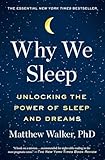


The canonical sleep-science book that explains the circadian rhythm, why morning light matters, and why the 15-minute incremental shift works. The right pick at $20 for users who want the deeper science behind the protocol. The book changes the mindset shift from willpower work to circadian-system work.
10. The Morning Anchor You Actually Look Forward To
A specific morning thing the wake time exists for. A favorite coffee shop, a specific podcast, the morning window seat, a quiet 30 minutes before anyone else is awake. The motivation layer that the Sleep Foundation protocol explicitly names as the single most underrated factor in becoming a morning person across the adjustment period.
How to Run the Eight-Week Protocol Without Burning Out
Three rules for actually completing the shift instead of abandoning it in week three.
- Hold the new bedtime on weekends. The Sleep Foundation research is unambiguous: sleeping in on Saturday and Sunday disrupts the circadian shift and resets the protocol. Keep the wake time within 30 minutes of weekday wake time across the eight weeks.
- Skip the dramatic 5am goal for now. Start where you actually are. If current wake is 8am, target 7am for the first round of eight weeks. The shift to 6am comes in the second round, after the first eight weeks have produced a stable 7am wake.
- Track the input, not the outcome. Did the new bedtime happen tonight, yes or no. Did the morning light happen today, yes or no. The outcomes (energy, mood, natural early waking) follow the inputs across week four to six.
When Morning-Person Difficulty Is Not the Answer
Persistent inability to wake at a normal hour despite the eight-week protocol can signal an underlying circadian disorder (Delayed Sleep Phase Syndrome), a thyroid issue, low vitamin D, sleep apnea, or depression. The sleep-medicine consensus is that if the standard protocol does not produce the shift across eight weeks of consistent execution, a sleep study or a baseline blood panel often surfaces the actual driver.
For pregnancy and breastfeeding, the magnesium glycinate dosing should be discussed with the OB. Sleep masks, blackout curtains, sunrise alarms, and the morning-light habit are all safe and often particularly useful during this window.
Becoming a Morning Person FAQs
How long does it take to become a morning person?
Eight weeks of consistent execution of the 15-minute weekly bedtime shift plus the morning-light habit. The cumulative shift becomes self-reinforcing around week six. The full identity shift takes roughly three months of consistent practice.
Why am I not a morning person?
Chronotype (your genetic preference for late or early sleep) is partly fixed and partly trainable. Genetics set a 60- to 90-minute window of preference. Behavior (bedtime, screens, morning light, weekend schedule) determines where within that window you actually wake. The behavior part responds to the eight-week protocol.
What time should I go to bed to wake up early?
Seven plus hours before your target wake time. For a 6am wake, bedtime should be roughly 10:30pm. For a 7am wake, bedtime should be 11pm. The seven-plus-hours rule is non-negotiable; cutting sleep to make the schedule work always produces the burnout that defeats the goal.
Does drinking water in the morning help wake you up?
Yes. The eight-hour sleep deficit produces real dehydration, and a single glass of water on waking rehydrates the system and supports the cortisol wake response. The boring hydration habit produces the largest single morning-energy shift for the smallest cost.
Should I use a sunrise alarm?
If you wake before natural sunrise (autumn through early spring) or your bedroom has light bleed you cannot eliminate, yes. The Hatch Restore 2 at $199 and the Philips Wake-Up Light at $80 are the editor-favorite picks. The sunrise alarm replicates the morning-light signal that anchors the circadian shift.
Can I become a morning person in a week?
No. The circadian system needs eight weeks of consistent practice to produce the genuine shift. One week of trying to wake at 5am after midnight bedtimes produces only the burnout that ends the experiment. The 15-minute weekly increment is what works.
Key Takeaways
- Becoming a morning person is a circadian-rhythm problem, not a willpower problem. The 15-minute weekly bedtime shift plus 10 minutes of morning light plus no bright screens one hour before bed produces the actual shift across eight weeks.
- The Sleep Foundation protocol, Oura circadian research, and BBC Science Focus all converge on the same three-part approach. The 15-minute increment matters because it stays within the circadian system’s natural adjustment range.
- Hold the new bedtime on weekends. Sleeping in on Saturday and Sunday disrupts the circadian shift and resets the protocol. Keep the wake time within 30 minutes of weekday wake time.
- Hatch Restore 2 sunrise alarm, blackout curtains, magnesium glycinate, and a Manta sleep mask anchor the practical tools that support the protocol across the adjustment period.
- Persistent inability to wake at a normal hour despite eight weeks of the protocol warrants a sleep-medicine consult or a baseline blood panel to identify the underlying driver.
How Do You Become a Morning Person and Keep It Going?
The morning-person identity is genuinely trainable within a 60- to 90-minute window of your genetic chronotype. The Sleep Foundation protocol is the one that works: 15-minute weekly bedtime shifts, 10 minutes of natural morning light, no bright screens one hour before bed, seven plus hours of sleep, and the eight-week timeline that respects the circadian system’s actual adjustment rate.
Hold the protocol, anchor the morning to something you genuinely look forward to, and the cumulative shift across the eight weeks is the kind of identity change that actually holds.
Once waking earlier feels natural, my power hour morning routine gives that extra time a simple structure, and these tips on how to become more productive help you use the energy well.
Last update on 2026-10-08 / Affiliate links / Images from Amazon Product Advertising API