
Time management hacks that reclaim your day reduce friction rather than add tracking. The Pomodoro technique, the Eisenhower matrix, and the two-minute rule are the entry tier. Multitasking research shows it cuts productivity by roughly 40 percent.
Multitasking research consistently shows productivity dropping by roughly 40 percent when attention splits between tasks, and the 4pm desk moment when the to-do list looks identical to the 10am version is what that research feels like in lived practice.
Time management hacks reclaim daily hours when they reduce friction and remove decision fatigue, rather than adding another tracking system to already-overloaded days. The Pomodoro technique (25 minutes of focused work followed by a 5-minute break) produces roughly a 25 percent lift in task completion across consistent users.
The Eisenhower matrix (urgent vs important quadrants) helps roughly half of users feel in control of daily tasks.
The two-minute rule (if it takes under two minutes, do it now) clears the backlog of small decisions that accumulate into the afternoon slump. The three together cover the tactical foundation.
Want a weekly planner that anchors the tactical hacks into your actual workday?
The Self-Care Planner is the weekly companion that holds the daily Pomodoro blocks, the Eisenhower matrix review, the two-minute-rule check-in, and the small daily anchors that turn the time hacks from January aspirations into the daily practice they were designed for. It lives here.
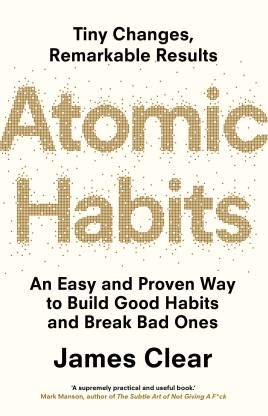
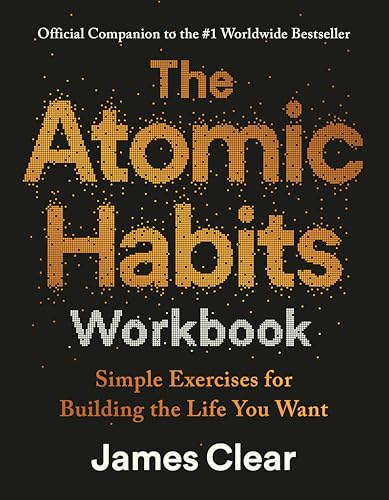
Recommended Books and Tools at a Glance
Five practical resources for the tactical time-management work. The numbered hacks further down are the actual techniques.
![Deep Work: Rules for Focused Success in a Distracted World [Paperback] [Jan 01, 2016] Newport, Cal](https://m.media-amazon.com/images/I/31O7mZRFFGL.jpg)



Recommended blogs to read:
- Time Management Strategies for a More Productive Day
- How to Become More Productive With Habits That Stick
- Habit Tracker Ideas That Make Consistency Feel Easier
- How to Use Habit Stacking Without Overwhelming Yourself
- Daily Habits to Improve Your Life Without Overhauling Everything
Why the Boring Hacks Outperform the Trendy Productivity Apps
Time management hacks fail when the hack itself becomes another thing to manage. The elaborate tracking app that requires daily input. The complex priority system with twelve categories. The notification-heavy productivity tool that interrupts the deep work it was supposed to protect.
The hacks that survive past month two are the ones that reduce daily friction without requiring you to learn a new system. Pomodoro requires a timer. Eisenhower requires a sheet of paper divided into four squares. The two-minute rule requires nothing but the decision to apply it.
The boring proven tactics outperform the elaborate trendy ones on the metric that actually matters, which is long-term consistent use.
The deeper structural problem is that most productivity tools assume a workday with uninterrupted focus blocks the modern knowledge worker rarely actually has. Cal Newport’s Deep Work covers the structural argument for defended deep-work blocks.
Oliver Burkeman’s Four Thousand Weeks covers the philosophical reframe that productivity itself is often the wrong target. The two together form the canonical pairing that supports the tactical hacks listed below.
The 10 Time Management Hacks That Actually Reclaim Your Day
Ordered by ease of implementation. Pick one this week. Add the second only after the first runs without thinking about it.
1. The Pomodoro Technique


Twenty-five minutes of focused work, five-minute break, repeat. After four Pomodoros, take a longer 15- to 30-minute break. The technique produces roughly a 25 percent lift in task completion across consistent users because the time boundary defends against the interruption cycle that fragments deep work.
2. The Eisenhower Matrix
Four quadrants: urgent and important (do now), important but not urgent (schedule), urgent but not important (delegate), neither urgent nor important (delete). The boring proven prioritization tool. About half of consistent users report feeling in control of daily tasks within the first week.
3. The Two-Minute Rule
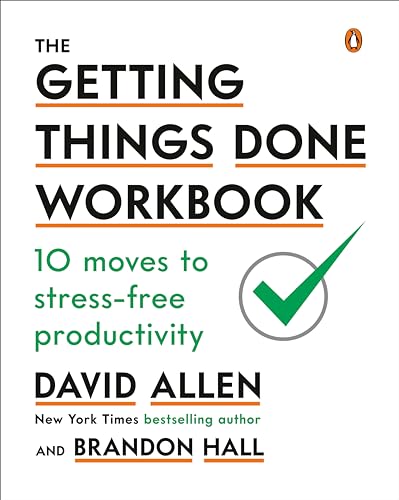

If a task takes two minutes or less, do it immediately. The boring move from David Allen’s Getting Things Done framework that clears the small-decision backlog that accumulates into the afternoon slump. The tactical approach with the highest single-day return in the category.
4. Time Blocking the Calendar


Block the calendar in chunks dedicated to specific tasks. Two hours of writing in the morning. One hour of email after lunch. Forty-five minutes of deep work before the 3pm meeting. The visible blocks defend against the meeting-creep that fragments otherwise productive days.
5. The 80/20 Pareto Rule


Roughly 80 percent of results come from 20 percent of efforts. Identify the specific tasks that drive the outsized returns in your work, and prioritize those during the peak-energy windows. The rest can wait, get delegated, or get deleted entirely. The Pareto reframe is what makes time blocking actually matter.
Want a year-long planner to track which hacks actually held across the seasons?
The Self-Care and Wellness Planner is the year-long companion that holds the weekly hack review, the quarterly check-in on which tactical moves actually stuck, and the seasonal anchors that show you which hacks fit your specific work pattern. It lives here.
6. Task Batching


Group similar tasks and complete them in a single session. All emails in one block. All phone calls in another. All errands on the same Saturday morning. The batching approach reduces context-switching costs and produces dramatic time savings across consistent users.
7. The Morning Top-Three Plan



Write down the three most important tasks for the day before opening the inbox. The boring planning move produces dramatic focus gains because the day anchors around what matters rather than what the inbox is loudest about. Two minutes total.
8. The Single-Tab Rule
One browser tab open at a time during deep work blocks. The visual clutter of 30 open tabs amplifies the cognitive load that fragments attention. The single-tab rule applied during the morning deep work block produces immediate clarity gains.
9. Schedule the Weekly Review
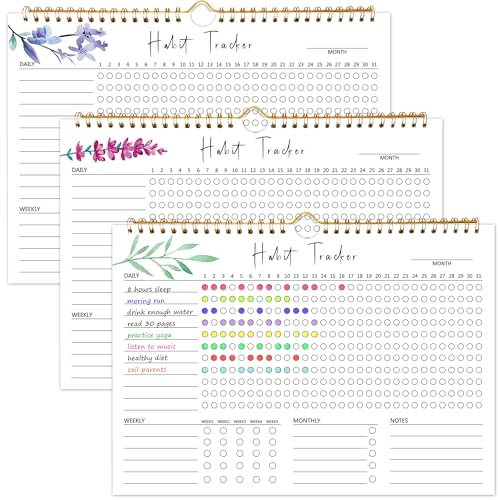


Twenty minutes on Sunday evening. Review what happened this week. Move incomplete tasks to next week. Plan the top three for Monday. The recurring anchor carries the practice across months and is what separates the hacks that hold from the ones that get abandoned in February.
10. Eat That Frog First


Brian Tracy’s framework: tackle the hardest, most important task first thing in the morning. The psychological relief of having the worst task done by 10am produces compounding momentum across the rest of the day. The boring proven principle that outperforms every clever procrastination workaround.
How to Add the Hacks Without Burning Out
Three rules that separate the time-management practice that actually reclaims hours from the version that becomes another tracking burden.
- Pick one hack this week. Hold it for 14 days before adding the second. The four-hack January is the predictable failure pattern. The single-hack week produces the actual behavior change.
- Match the hack to your actual work pattern. Knowledge workers with creative deep work needs do better with Pomodoro plus time blocking. Inbox-driven roles do better with the two-minute rule plus task batching. Project-heavy roles do better with Eisenhower plus weekly review.
- Skip the elaborate productivity apps for the first month. A paper timer, a four-square sheet, and a Sunday-evening notebook outperform every premium subscription productivity tool because the friction stays low enough to maintain.
When the Hack Tier Is Not the Answer
Chronic burnout, undiagnosed ADHD, depression, anxiety patterns that interfere with daily functioning, and consistent overwork that produces these symptoms all warrant a therapist or doctor visit rather than another time management hack. The tactical tier supports a baseline that already responds to behavioral intervention; it does not replace clinical care when the underlying issue needs professional support.
If hacks repeatedly fail across years despite genuine effort, the underlying issue is often structural (the job itself, the workload, the team culture) rather than personal. A career coach or honest conversation with leadership often produces more return than another time management framework.
Frequently Asked Questions
What is the best time management hack?
The Pomodoro technique for users who need help defending focus blocks, the Eisenhower matrix for users who need help prioritizing, the two-minute rule for users who need help clearing small-task backlog. The three together cover the tactical foundation.
Does the Pomodoro technique work?
Yes, with consistent use. Research shows roughly a 25 percent lift in task completion across users who run Pomodoro consistently. The 25-minute boundary defends against the interruption cycle that fragments deep work.
What is the 80/20 rule?
The Pareto principle: roughly 80 percent of results come from 20 percent of efforts. The practical application is identifying the specific tasks that drive outsized returns in your work and prioritizing those during peak-energy windows.
How can I be more productive at work?
Apply the Pomodoro technique to defend focus blocks. Use the Eisenhower matrix to prioritize. Schedule the morning top-three plan before opening the inbox. Run the Sunday-evening weekly review. The boring proven trio outperforms the elaborate productivity apps.
What is the Eisenhower Matrix?
A prioritization tool that divides tasks into four quadrants: urgent and important (do now), important but not urgent (schedule), urgent but not important (delegate), neither urgent nor important (delete). The boring proven framework.
How long until time management hacks show results?
Daily lift in task completion shows up within the first week of consistent use. Cumulative shift in energy and focus appears around week three. Identity-level change (you start describing yourself as someone who runs Pomodoros, who plans the top three) appears around month three.
Key Takeaways
- Time management hacks reclaim daily hours when they reduce friction rather than add tracking. The Pomodoro technique, the Eisenhower matrix, and the two-minute rule cover the tactical foundation.
- Multitasking reduces productivity by roughly 40 percent per the research that cites multiple controlled studies. Single-tasking with defended focus blocks produces the actual gains.
- Pick one hack this week, hold it for 14 days before adding the second. Match the hack to your actual work pattern. Skip the elaborate productivity apps for the first month.
- The 80/20 Pareto reframe matters more than any single hack: identify the 20 percent of work that produces 80 percent of results and prioritize those tasks during peak-energy windows.
- Chronic burnout, undiagnosed ADHD, depression, and consistent overwork warrant a therapist or doctor visit. The tactical tier supports a baseline; it does not replace clinical care.
Final Thoughts
Time management hacks get clearer when you stop downloading productivity apps and start running the boring proven tactics the canonical books all point to. Pomodoro for focus blocks. Eisenhower for prioritization. Two-minute rule for small-task backlog. Time blocking for calendar defense. The Sunday-evening 20-minute review that carries the practice across months.
Pick one this week, hold it for 14 days, add the second only after the first runs without thinking. The compound time-recovery across the year is the kind of result the elaborate productivity apps never manage to deliver.
Last update on 2026-08-15 / Affiliate links / Images from Amazon Product Advertising API